Posted on

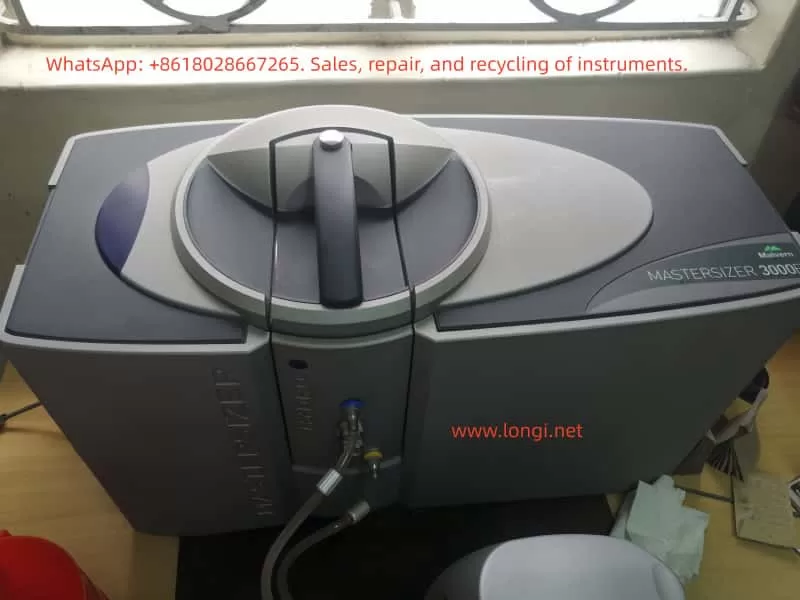
Troubleshooting and Technical Analysis of the Malvern Mastersizer 3000E with Hydro EV Wet Dispersion Unit

— A Case Study on “Measurement Operation Failed” Errors


1. Introduction

In particle size analysis, the Malvern Mastersizer 3000E is one of the most widely used laser diffraction particle size analyzers in laboratories worldwide. It can rapidly and accurately determine particle size distributions for powders, emulsions, and suspensions. To accommodate different dispersion requirements, the system is usually equipped with either wet or dry dispersion units. Among these, the Hydro EV wet dispersion unit is commonly used due to its flexibility, ease of operation, and automation features.

However, during routine use, operators often encounter issues during initialization, such as the error messages:

  • “A problem has occurred during initialisation”
  • “Measurement operation has failed”

These errors prevent the system from completing background measurements and optical alignment, effectively stopping any further sample analysis.

This article focuses on these common issues. It provides a technical analysis covering the working principles, system components, error causes, troubleshooting strategies, preventive maintenance, and a detailed case study based on real laboratory scenarios. The aim is to help users systematically identify the root cause of failures and restore the system to full operation.


2. Working Principles of the Mastersizer 3000E and Hydro EV

2.1 Principle of Laser Diffraction Particle Size Analysis

The Mastersizer 3000E uses the laser diffraction method to measure particle sizes. The principle is as follows:

  • When a laser beam passes through a medium containing dispersed particles, scattering occurs.
  • Small particles scatter light at large angles, while large particles scatter light at small angles.
  • An array of detectors measures the intensity distribution of the scattered light.
  • Using Mie scattering theory (or the Fraunhofer approximation), the system calculates the particle size distribution.

Thus, accurate measurement depends on three critical factors:

  1. Stable laser output
  2. Well-dispersed particles in the sample without bubbles
  3. Proper detection of scattered light by the detector array

2.2 Role of the Hydro EV Wet Dispersion Unit

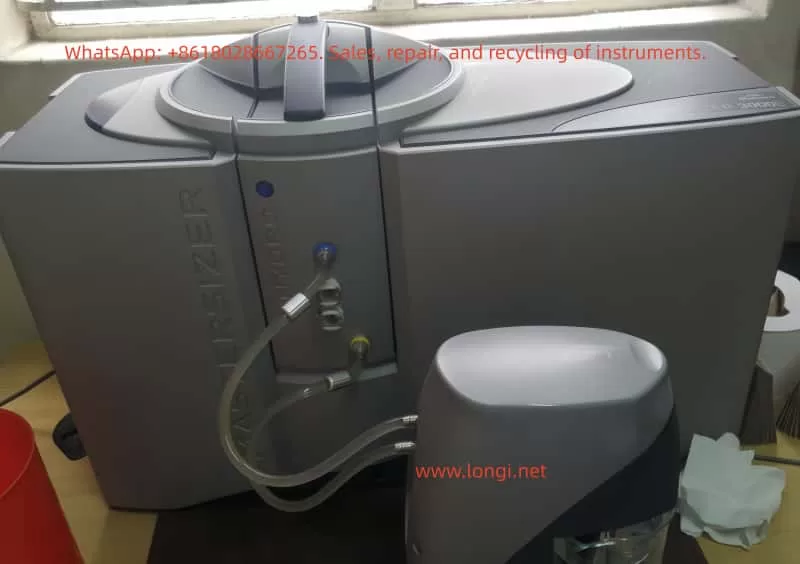
The Hydro EV serves as the wet dispersion accessory of the Mastersizer 3000E. Its main functions include:

  1. Sample dispersion – Stirring and circulating liquid to ensure that particles are evenly suspended.
  2. Liquid level and flow control – Equipped with sensors and pumps to maintain stable liquid conditions in the sample cell.
  3. Bubble elimination – Reduces interference from air bubbles in the optical path.
  4. Automated cleaning – Runs flushing and cleaning cycles to prevent cross-contamination.

The Hydro EV connects to the main system via tubing and fittings, and all operations are controlled through the Mastersizer software.

3. Typical Error Symptoms and System Messages

Operators often observe the following system messages:

  1. “A problem has occurred during initialisation… Press reset to retry”
    • Indicates failure during system checks such as background measurement, alignment, or hardware initialization.
  2. “Measurement operation has failed”
    • Means the measurement process was interrupted or aborted due to hardware/software malfunction.
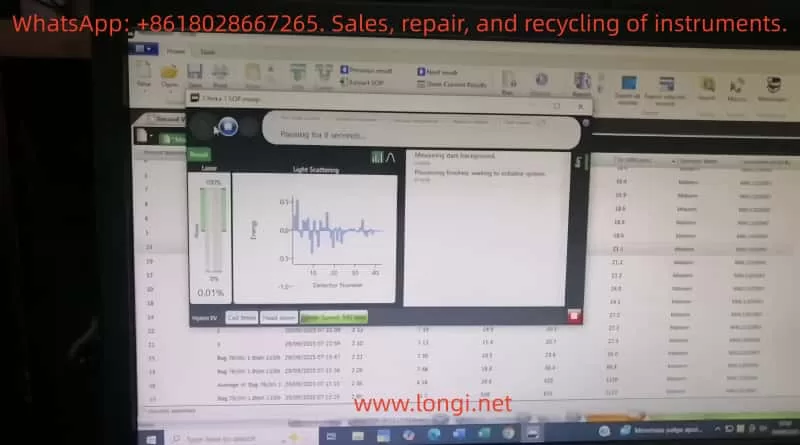
  3. Stuck at “Measuring dark background / Aligning system”
    • Suggests the optical system cannot establish a valid baseline or align properly.

4. Root Causes of Failures

Based on experience and manufacturer documentation, the failures can be classified into the following categories:

4.1 Optical System Issues

  • Laser not switched on or degraded laser power output
  • Contamination, scratches, or condensation on optical windows
  • Optical misalignment preventing light from reaching detectors

4.2 Hydro EV Dispersion System Issues

  • Air bubbles in the liquid circuit cause unstable signals
  • Liquid level sensors malfunction or misinterpret liquid presence
  • Pump or circulation failure
  • Stirrer malfunction or abnormal speed

4.3 Sample and User Operation Errors

  • Sample concentration too low, producing nearly no scattering
  • Sample cell incorrectly installed or not sealed properly
  • Large bubbles or contaminants present in the sample liquid

4.4 Software and Communication Errors

  • Unstable USB or hardware communication
  • Software version mismatch or system crash
  • Incorrect initialization parameters (e.g., threshold, dispersion mode)

4.5 Hardware Failures

  • Malfunctioning detector array
  • Damaged internal electronics or control circuits
  • End-of-life laser module requiring replacement
5. Troubleshooting and Resolution Path

To efficiently identify the source of the problem, troubleshooting should follow a layered approach:

5.1 Restart and Reset

  • Power down both software and hardware, wait several minutes, then restart.
  • Press Reset in the software and attempt initialization again.

5.2 Check Hydro EV Status

  • Confirm fluid is circulating properly.
  • Ensure liquid level sensors detect the liquid.
  • Run the “Clean System” routine to verify pump and stirrer functionality.

5.3 Inspect Optical and Sample Cell Conditions

  • Remove and thoroughly clean the cuvette and optical windows.
  • Confirm correct installation of the sample cell.
  • Run a background measurement with clean water to rule out bubble interference.

5.4 Verify Laser Functionality

  • Check whether laser power levels change in software.
  • Visually confirm the presence of a laser beam if possible.
  • If the laser does not switch on, the module may require service.

5.5 Communication and Software Checks

  • Replace USB cables or test alternate USB ports.
  • Install the software on another PC and repeat the test.
  • Review software logs for detailed error codes.

5.6 Hardware Diagnostics

  • Run built-in diagnostic tools to check subsystems.
  • If detectors or control circuits fail the diagnostics, service or replacement is required.

6. Preventive Maintenance Practices

To reduce the likelihood of these failures, users should adopt the following practices:

  1. Routine Hydro EV Cleaning
    • Flush tubing and reservoirs with clean water after each measurement.
  2. Maintain Optical Window Integrity
    • Regularly clean using lint-free wipes and suitable solvents.
    • Prevent scratches or deposits on optical surfaces.
  3. Monitor Laser Output
    • Check laser power readings in software periodically.
    • Contact manufacturer if output decreases significantly.
  4. Avoid Bubble Interference
    • Introduce samples slowly.
    • Use sonication or degassing techniques if necessary.
  5. Keep Software and Firmware Updated
    • Install recommended updates to avoid compatibility problems.
  6. Maintain Maintenance Logs
    • Document cleaning, servicing, and errors for historical reference.

7. Case Study: “Measurement Operation Failed”

7.1 Scenario Description

  • Error messages appeared during initialization:
    “Measuring dark background” → “Aligning system” → “Measurement operation has failed.”
  • Hardware setup: Mastersizer 3000E with Hydro EV connected.
  • Likely symptoms: Bubbles or unstable liquid flow in Hydro EV, preventing valid background detection.

7.2 Troubleshooting Actions

  1. Reset and restart system.
  2. Check tubing and liquid circulation – purge air bubbles and confirm stable flow.
  3. Clean sample cell and optical windows – ensure transparent pathways.
  4. Run background measurement – if failure persists, test laser operation.
  5. Software and diagnostics – record log files, run diagnostic tools, and escalate to manufacturer if necessary.

7.3 Key Lessons

This case illustrates that background instability and optical interference are the most common causes of initialization errors. By addressing dispersion stability (Hydro EV liquid system) and ensuring optical cleanliness, most problems can be resolved without hardware replacement.


8. Conclusion

The Malvern Mastersizer 3000E with Hydro EV wet dispersion unit is a powerful and versatile solution for particle size analysis. Nevertheless, operational errors and system failures such as “Measurement operation failed” can significantly impact workflow.

Through technical analysis, these failures can generally be attributed to five categories: optical issues, dispersion system problems, sample/operation errors, software/communication faults, and hardware damage.

This article outlined a systematic troubleshooting workflow:

  • Restart and reset
  • Verify Hydro EV operation
  • Inspect optical components and cuvette
  • Confirm laser activity
  • Check software and communication
  • Run hardware diagnostics

Additionally, preventive maintenance strategies—such as cleaning, monitoring laser performance, and preventing bubbles—are critical for long-term system stability.

By applying these structured troubleshooting and maintenance practices, laboratories can minimize downtime, extend the instrument’s lifetime, and ensure reliable particle size measurements.
Posted on

Partech 740 Sludge Concentration Meter User Manual Guide

Part I: Product Overview and Core Functions

1.1 Product Introduction

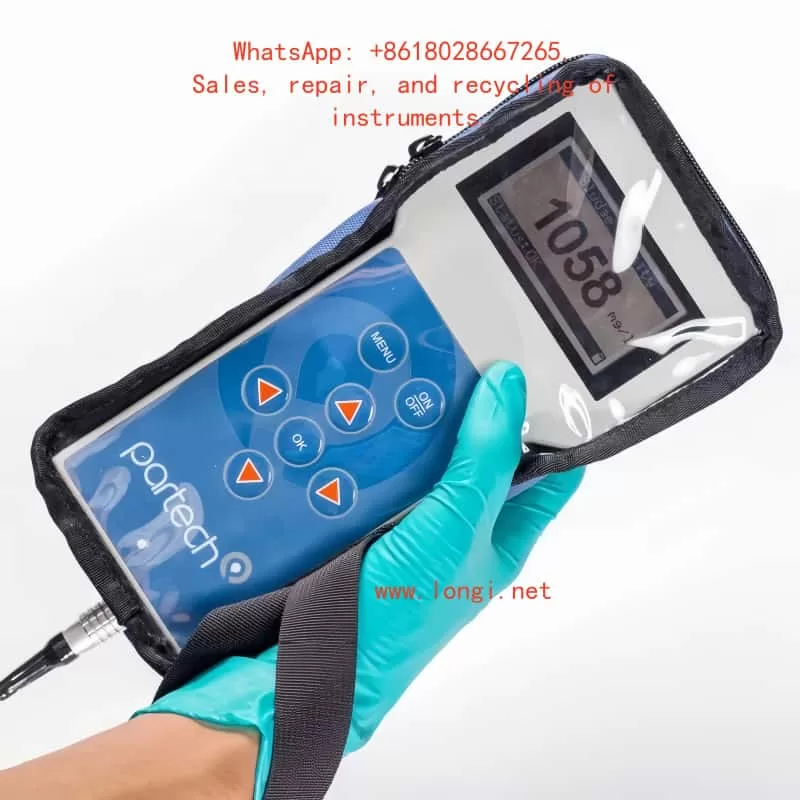
The Partech 740 portable sludge concentration meter is a high-precision instrument specifically designed for monitoring in sewage treatment, industrial wastewater, and surface water. It enables rapid measurement of Suspended Solids (SS), Sludge Blanket Level (SBL), and Turbidity. Its key advantages include:

  • Portability and Protection: Featuring an IP65-rated enclosure with a shock-resistant protective case and safety lanyard, it is suitable for use in harsh environments.
  • Multi-Scenario Adaptability: Supports up to 10 user-defined configuration profiles to meet diverse calibration needs for different water qualities (e.g., Mixed Liquor Suspended Solids (MLSS), Final Effluent (F.E.)).
  • High-Precision Measurement: Utilizes infrared light attenuation principle (880nm wavelength) with a measurement range of 0–20,000 mg/l and repeatability error ≤ ±1% FSD.
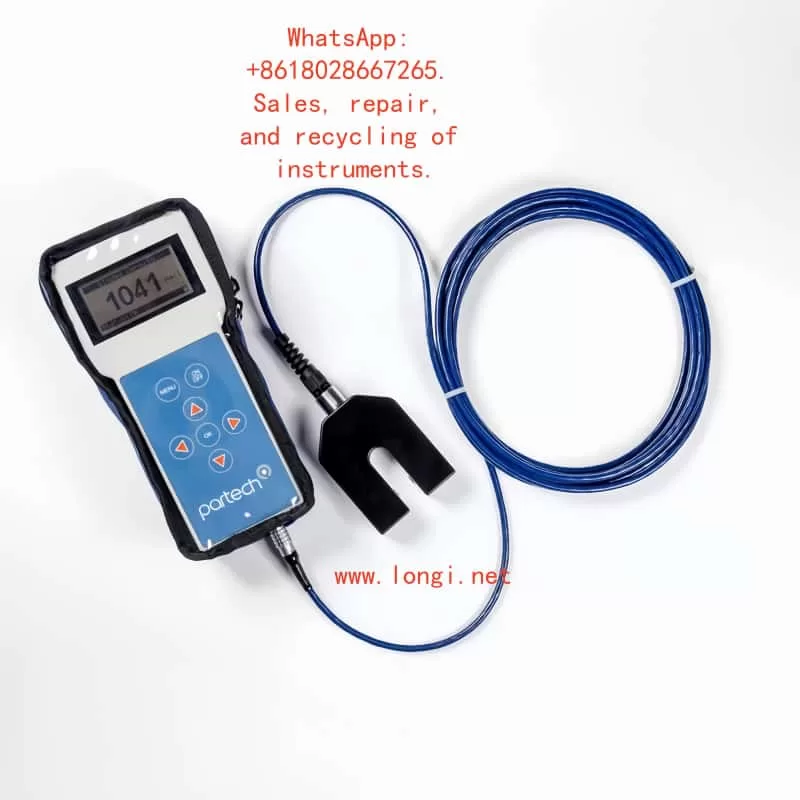
Partech 740

1.2 Core Components

  • Host Unit: Dimensions 224×106×39mm (H×W×D), weight 0.5kg, with built-in NiMH battery offering 5 hours of runtime.
  • Soli-Tech 10 Sensor: Black acetal construction, IP68 waterproof rating, 5m standard cable (extendable to 100m), supporting dual-range modes (low and high concentration).
  • Accessory Kit: Includes charger (compatible with EU/US/UK plugs), nylon tool bag, and operation manual.

Part II: Hardware Configuration and Initial Setup

2.1 Device Assembly and Startup

  • Sensor Connection: Insert the Soli-Tech 10 sensor into the host unit’s bottom port and tighten the waterproof cap.
  • Power On/Off: Press and hold the ON/OFF key on the panel. The initialization screen appears (approx. 3 seconds).
  • Battery Management:
    • Charging status indicated by LED (red: charging; green: fully charged).
    • Auto-shutdown timer configurable (default: 5-minute inactivity sleep).

2.2 Keypad and Display Layout

  • Six-Key Membrane Keyboard:
    • ↑/↓/←/→: Menu navigation and value adjustment.
    • OK: Confirm selection.
    • MENU: Return to the previous menu or cancel operation.
  • Display Layout:
    • Main screen: Large font displays current measurement (e.g., 1500 mg/l), with status bar showing battery level, units, and fault alerts.

Part III: Measurement Process and Calibration Methods

3.1 Basic Measurement Operation

  • Select Configuration Profile:
    Navigate to MAIN MENU → Select Profile and choose a preset or custom profile (e.g., “Charlestown MLSS”).
  • Real-Time Measurement:
    Immerse the sensor in the liquid. The host updates data every 0.2 seconds.
  • Damping Adjustment:
    Configure response speed via Profile Config → Damping Rate (e.g., “Medium” for 30-second stabilization).

3.2 Calibration Steps (Suspended Solids Example)

  • Zero Calibration:
    Navigate to Calibration → Set Zero, immerse the sensor in purified water, and press OK to collect data for 5 seconds.
    • Error Alert: If “Sensor Input Too High” appears, clean the sensor or replace the zero water.
  • Span Calibration:
    Select Set Span, input the standard solution value (e.g., 1000 mg/l), immerse the sensor, and press OK to collect data for 10 seconds.
  • Secondary Calibration:
    For delayed laboratory results, use Take Sample to store signals and later input actual values via Enter Sample Result for correction.

3.3 Advanced Calibration Options

  • Lookup Table Linearization:
    Adjust X/Y values in Profile Adv Config for nonlinear samples.
  • Constant Correction:
    A/B/C coefficients for computational adjustments (requires vendor technical support).
Partech 740

Part IV: Profile Management and Customization

4.1 Creating a New Profile

  • Startup Wizard: Navigate to MAIN MENU → New Profile Wizard.
  • Step-by-Step Setup:
    • Preset Type: Select “STW MLSS” or “User Defined”.
    • Naming and User Info: Supports 21 characters (e.g., “Aeration Lane 1”).
    • Units and Range: Options include mg/l, g/l, FTU, with automatic range scaling (e.g., mg/l→g/l conversion).

4.2 Parameter Customization

  • Display Title: Modify via Profile Config → Measurement Title (e.g., “Final Effluent SS”).
  • Security Settings: Enable password protection via Lock Instrument (default: 1000, customizable).

Part V: Maintenance and Troubleshooting

5.1 Routine Maintenance

  • Sensor Cleaning: Wipe the probe with a soft cloth to avoid organic residue.
  • Battery Care: Charge monthly during long-term storage.
  • Storage Conditions: -20~60°C in a dry environment.

5.2 Common Faults and Solutions

Fault PhenomenonPossible CauseSolution
“No Sensor” displayedLoose connection or sensor failureCheck interface or replace sensor
Value driftCalibration failure or low dampingRecalibrate or adjust damping to “Slow”
Charging indicator offPower adapter failureReplace compatible charger (11–14VDC)

5.3 Factory Repair

Include fault description, contact information, and safety precautions.

Part VI: Technical Specifications and Compliance

  • EMC Certification: Complies with EN 50081/50082 standards and EU EMC Directive (89/336/EEC).
  • Accuracy Verification: Use Fuller’s Earth or Formazin standard solutions (refer to Chapters 20–21 for preparation methods).
  • Software Version: Check via Information → Software Version and contact the vendor for updates.

Appendix: Quick Operation Flowchart

Startup → Select Profile → Immerse Sample → Read Data

For Abnormalities:

  1. Check sensor.
  2. Restart device.
  3. Contact technical support.

This guide comprehensively covers operational essentials for the Partech 740. Enhance efficiency with practical examples (e.g., “Bill Smith’s Profile Example” in Chapter 4). For advanced technical support, please contact us.

Posted on

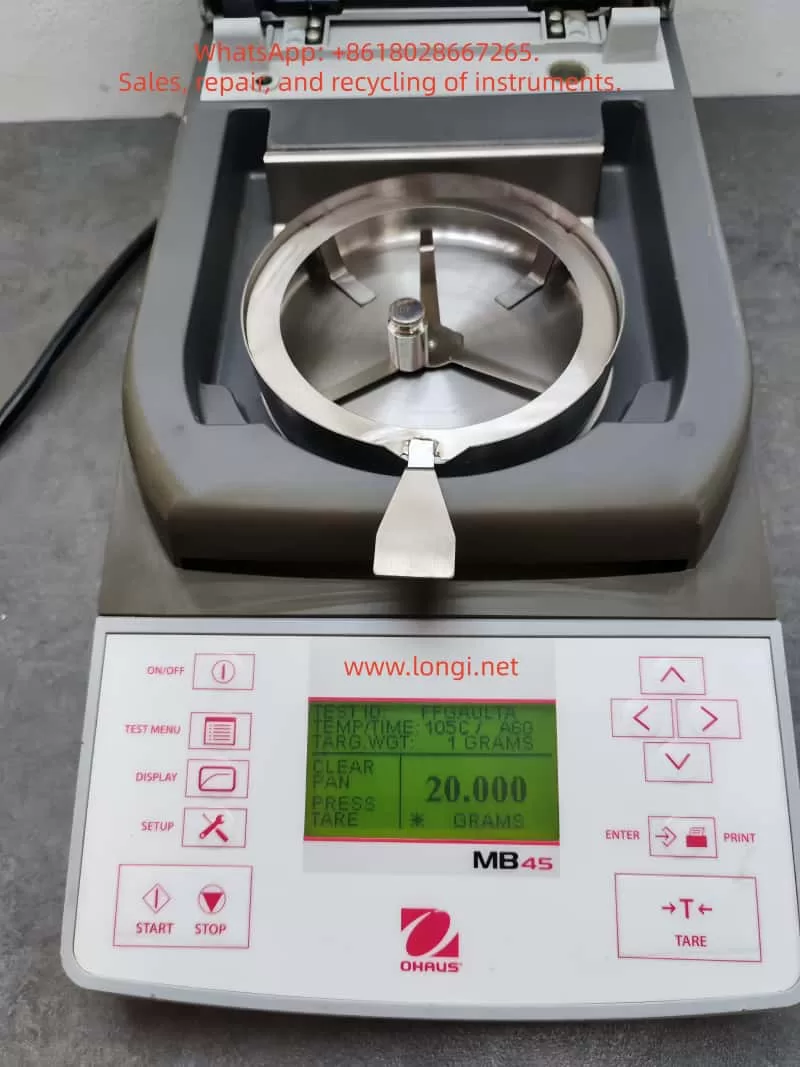
User Guide for OHAUS MB45 Halogen Moisture Analyzer

Introduction

OHAUS, a renowned brand in the laboratory instrumentation sector, is celebrated for its MB series moisture analyzers, which are recognized for their efficiency, reliability, and cost-effectiveness. Among them, the MB45 model stands out as an advanced product within the series, specifically tailored for industries such as pharmaceuticals, chemicals, food and beverage, quality control, and environmental testing. Leveraging cutting-edge halogen heating technology and a precision weighing system, the MB45 is capable of rapidly and accurately determining the moisture content of samples. This comprehensive user guide, based on the product introduction and user manuals of the OHAUS MB45 Halogen Moisture Analyzer, aims to assist users in mastering the instrument’s usage from understanding its principles to practical operation and maintenance. The guide will adhere to the following structure: principles and features of the instrument, installation and simple measurement, calibration and adjustment, operation methods, maintenance, and troubleshooting. The content strives to be original and detailed, ensuring users can avoid common pitfalls and achieve efficient measurements in practical applications. Let’s delve into the details step by step.

1. Principles and Features of the Instrument

1.1 Instrument Principles

The working principle of the OHAUS MB45 Halogen Moisture Analyzer is based on thermogravimetric analysis (TGA), a classical relative measurement method. In essence, the instrument evaporates the moisture within a sample by heating it and calculates the moisture content based on the weight difference before and after drying. The specific process is as follows:

  • Initial Weighing: At the start of the test, the instrument precisely measures the initial weight of the sample. This step relies on the built-in high-precision balance system to minimize errors.
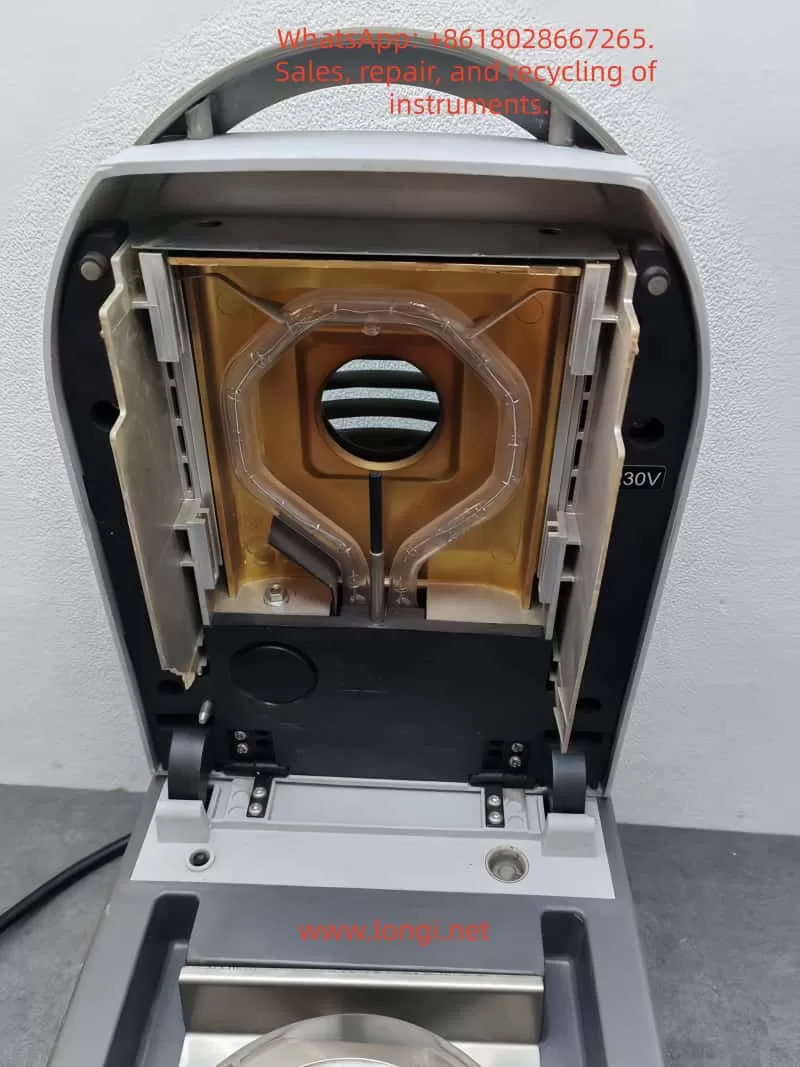
  • Heating and Drying: Utilizing a halogen lamp as the heat source, the analyzer generates uniform infrared radiation heating, which is 40% faster than traditional infrared heating. The heating element, designed with a gold-reflective inner chamber, evenly distributes heat to prevent local overheating that could lead to sample decomposition. The temperature can be precisely controlled between 50°C and 200°C, with increments of 1°C.
  • Real-Time Monitoring: During the drying process, the instrument continuously monitors changes in the sample’s weight. As moisture evaporates, the weight decreases until a preset shutdown criterion is met (e.g., weight loss rate falls below a threshold).
  • Moisture Content Calculation: The moisture percentage (%Moisture) is calculated using the formula: Moisture% = [(Initial Weight – Dried Weight) / Initial Weight] × 100%. Additionally, the analyzer can display %Solids, %Regain, weight in grams, or custom units.

The advantage of this principle lies in its relative measurement approach: it does not require absolute calibration of the sample’s initial weight; only the difference before and after drying is needed to obtain accurate results. This makes the MB45 particularly suitable for handling a wide range of substances, from liquids to solids, and even samples with skin formation or thermal sensitivity. Compared to the traditional oven method, thermogravimetric analysis significantly reduces testing time, typically requiring only minutes rather than hours. Moreover, the built-in software algorithm of the instrument can process complex samples, ensuring high repeatability (0.015% repeatability when using a 10g sample).

In practical applications, the principle also involves heat transfer and volatilization kinetics. The “light-speed heating” characteristic of halogen heating allows the testing area to reach full temperature in less than one minute, with precision heating software gradually controlling the temperature to avoid overshooting. Users can further optimize heating accuracy using an optional temperature calibration kit.

1.2 Instrument Features

As a high-end model in the MB series, the OHAUS MB45 integrates multiple advanced features that set it apart from the competition:

  • High-Performance Heating System: The halogen heating element is durable and provides uniform infrared heating. Compared to traditional infrared technology, it starts faster and operates more efficiently. The gold-reflective inner chamber design ensures even heat distribution, reducing testing time and enhancing performance.
  • Precision Weighing: With a capacity of 45g and a readability of 0.01%/0.001g, the instrument offers strong repeatability: 0.05% for a 3g sample and 0.015% for a 10g sample. This makes it suitable for high-precision requirements, such as trace moisture determination in the pharmaceutical industry.
  • User-Friendly Interface: Equipped with a 128×64 pixel backlit LCD display, the analyzer supports multiple languages (English, Spanish, French, Italian, German). The display provides rich information, including %Moisture, %Solids, weight, time, temperature, drying curve, and statistical data.
  • Powerful Software Functions: The integrated database can store up to 50 drying programs. It supports four automatic drying programs (Fast, Standard, Ramp, Step) for easy one-touch operation. The statistical function automatically calculates standard deviations, making it suitable for quality control. Automatic shutdown options include three pre-programmed endpoints, custom criteria, or timed tests.
  • Connectivity and Compliance: The standard RS232 port facilitates connection to printers or computers and supports GLP/GMP format printing. The instrument complies with ISO9001 quality assurance specifications and holds CE, UL, CSA, and FCC certifications.
  • Compact Design: Measuring only 19×15.2x36cm and weighing 4.6kg, the analyzer fits well in laboratory spaces with limited room. It operates within a temperature range of 5°C to 40°C.
  • Additional Features: Built-in battery backup protects data; multiple display modes can be switched; custom units are supported; a test library allows for storing, editing, and running tests; and statistical data tracking is available.
  • Accessory Support: Includes a temperature calibration kit, anti-theft device, sample pan handler, 20g calibration weight, etc. Accessories such as aluminum sample pans (80 pieces) and glass fiber pads (200 pieces) facilitate daily use.

These features make the MB45 suitable not only for pharmaceutical, chemical, and research fields but also for continuous operations in food and beverage, environmental, and quality control applications. Its excellent repeatability and rapid results (up to 40% faster) enhance production efficiency. Compared to the basic model MB35, the MB45 offers a larger sample capacity (45g vs. 35g), a wider temperature range (200°C vs. 160°C), and supports more heating options and test library functions.

In summary, the principles and features of the MB45 embody OHAUS’s traditional qualities: reliability, precision, and user orientation. Through these technologies, users can obtain consistent and accurate results while streamlining operational processes.

2. Installation and Simple Measurement of the Instrument

2.1 Installation Steps

Proper installation is crucial for ensuring the accuracy and safety of the OHAUS MB45 Moisture Analyzer. Below is a detailed installation guide based on the step-by-step instructions in the manual.

  • Unpacking and Inspection: Open the packaging and inspect the standard equipment: the instrument body, sample pan handler, 20 aluminum sample pans, glass fiber pads, specimen sample (absorbent glass fiber pad), draft shield components, heat shield, power cord, user manual, and warranty card. Confirm that there is no damage; if any issues are found, contact the dealer.
  • Selecting a Location: Place the instrument on a horizontal, stable, and vibration-free workbench. Avoid direct sunlight, heat sources, drafts, or magnetic field interference. The ambient temperature should be between 5°C and 40°C, with moderate humidity. Ensure there is sufficient space at the rear for heat dissipation (at least 10cm). If moved from a cold environment, allow several hours for stabilization.
  • Installing the Heat Shield, Draft Shield, and Sample Pan Support: Open the heating chamber cover and place the heat shield (circular metal plate) at the bottom of the chamber. Install the draft shield (plastic ring) to prevent airflow interference. Then, insert the sample pan support (tripod) and ensure stability.
  • Leveling the Instrument: Use the front level bubble and adjustable feet to adjust the level. Rotate the feet until the bubble is centered to ensure repeatable results.
  • Connecting the Power Supply: Plug the power cord into the socket at the rear of the instrument and connect it to a 120V or 240V AC, 50/60Hz power source. Warning: Use only the original power cord and avoid extension cords. Before the first use, ensure the voltage matches.
  • Powering On: Press the On/Off button, and the display will illuminate. After self-testing, the instrument enters the main interface. If stored in a cold environment, allow time for预热 (warm-up) and stabilization.

After installation, it is recommended to perform a preliminary check: close the lid to ensure no abnormal noises; test the balance stability.

2.2 Simple Measurement Steps

After installation, you can proceed with a simple measurement to familiarize yourself with the instrument. Use the provided specimen sample (glass fiber pad) for the test.

  • Preparing the Sample: Take approximately 1g of the specimen sample and evenly place it in an aluminum sample pan. Cover it with a glass fiber pad to prevent liquid splashing.
  • Entering the Test Menu: Press the Test button to enter the default settings: Test ID as “-DEFAULT-“, temperature at 100°C, and time at 10:00 minutes.
  • Placing the Sample: Open the cover and use the sample pan handler to place the sample pan inside. Close the cover to ensure a seal.
  • Starting the Measurement: Press the Start/Stop button. The instrument begins heating and weighing. The display shows real-time information such as time, temperature, and moisture%.
  • Monitoring the Process: Observe the drying curve. The initial weight is displayed, followed by the current moisture content (e.g., 4.04%) during the process. Press the Display button to switch views: %Moisture, %Solids, weight in grams, etc.
  • Ending the Measurement: Once the preset time or shutdown criterion is reached, the instrument automatically stops. A beep sounds to indicate completion. The final result, such as the moisture percentage, is displayed.
  • Removing the Sample: Carefully use the handler to remove the hot sample pan to avoid burns. Clean any residue.

This simple measurement typically takes 8-10 minutes. Through this process, users can understand the basic workflow: from sample preparation to result reading. Note: The first measurement may require parameter adjustments to match specific samples.

3. Calibration and Adjustment of the Instrument

3.1 Weight Calibration

Weight calibration ensures the accuracy of the balance. Although not strictly necessary for moisture determination, it is recommended to perform it regularly.

  • Preparation: Use a 20g external calibration weight (an optional accessory). Ensure the instrument is level and the sample chamber is empty.
  • Entering the Menu: Press the Setup button and select “Weight Calibration.”
  • Process: Close the cover and press Enter to begin. When “Place 0g” is displayed, ensure the pan is empty; then, when “Place 20g” is shown, place the calibration weight on the pan. The instrument automatically calibrates and displays success or failure.
  • Completion: Press Display to return to the main interface. If calibration fails, check for weight or environmental interference.

After calibration, print a report (if GLP is enabled) to record the date, time, and results.

3.2 Temperature Calibration

Temperature calibration uses an optional temperature calibration kit to ensure heating accuracy.

  • Preparation: The kit includes a temperature probe. Allow the instrument to cool for at least 30 minutes.
  • Entering the Menu: Navigate to Setup > “Temperature Calibration.”
  • Process: Insert the probe and press Enter. The instrument heats to a preset temperature (e.g., 100°C), and the probe reading is compared to the instrument display. Adjust the deviation and press Enter to confirm.
  • Multi-Point Calibration: Calibrate multiple temperature points (50-200°C) if needed.
  • Completion: The display indicates success. Perform regular calibration (monthly or after frequent use).

3.3 Other Adjustments

  • Language Settings: Navigate to Setup > Language to select English or other supported languages.
  • Buzzer Volume: Adjust the buzzer volume under Setup > Beeper to Low/High/Off.
  • Time and Date: Set the time and date format under Setup > Time-Date.
  • Display Contrast and Brightness: Adjust the display visibility under Setup > Adjust Display.
  • RS232 Settings: Configure the baud rate, parity, etc., under Setup > RS232.
  • Printing and GLP: Enable automatic printing under Setup > Print/GLP.
  • Factory Reset: Restore default settings under Setup > Factory Reset.

These adjustments optimize the user experience and ensure the instrument meets specific needs.

4. Operation of the Instrument

4.1 Operation Concepts

The MB45 is operated through the front panel buttons and menus. The main menu includes Setup (settings) and Test (testing). The test menu allows for customizing parameters such as Test ID, drying curve, temperature, shutdown criteria, result display, custom units, target weight, and print interval.

4.2 Entering a Test ID

Press Test > Test ID and input an alphanumeric ID (e.g., sample name).

4.3 Setting the Drying Curve

Choose from Standard (minimal overshoot), Fast (rapid heating), Ramp (controlled slope), or Step (three-step temperature).

4.4 Setting the Drying Temperature

Select a temperature between 50°C and 200°C, with increments of 1°C. Choose a temperature suitable for the sample to avoid decomposition.

4.5 Choosing Shutdown Criteria

  • Manual: Press Stop to halt the test.
  • Timed: Set a duration between 1 and 120 minutes.
  • Automatic: Select A30/A60/A90 (weight loss rate < threshold/second).
  • Automatic Free: Customize the weight loss rate.

4.6 Result Display

Choose to display %Moisture, %Solids, %Regain, weight in grams, or custom units.

4.7 Custom Units

Define formulas, such as the moisture/solids ratio.

4.8 Target Weight and Print Interval

Set a target weight prompt; configure the print interval between 1 and 120 seconds.

4.9 Saving and Running Tests

Save up to 50 test programs in the library; run a test by pressing Start.

4.10 Running Mode Display

View real-time curves and statistical data during operation.

4.11 Using the Library

Edit and lock test programs for consistent testing.

When operating the instrument, prioritize safety: wear gloves to avoid burns and optimize sample preparation for the best results.

5. Maintenance and Troubleshooting of the Instrument

5.1 Maintenance

Regular maintenance extends the instrument’s lifespan:

  • Cleaning: After disconnecting the power, use a soft cloth to wipe the exterior. Use compressed air to blow dust out of the interior. Avoid introducing liquids.
  • Replacing Fuses: Access the fuse box at the rear and replace fuses with the same specifications.
  • Resetting Thermal Overload: If heating fails, press the reset button at the rear to restore functionality.
  • Storage: Store the instrument in a dry, room-temperature environment.

5.2 Common Faults and Solutions

  • Black Display Screen: Check the power supply and fuses; contact service if necessary.
  • Prolonged Measurement Time: Adjust the shutdown criteria or drying curve.
  • Inaccurate Results: Calibrate the weight and temperature; review sample preparation.
  • Error Detection: The display shows error codes; refer to the manual to restart or seek service.
  • Other Issues: If there is no weight change in the sample, clean the balance; if overheating occurs, check ventilation.

If issues persist, contact OHAUS service for assistance.

Conclusion

This comprehensive guide equips users with a thorough understanding of the OHAUS MB45 Halogen Moisture Analyzer. Users are encouraged to apply this knowledge in practice and optimize their testing processes for the best results.

Posted on

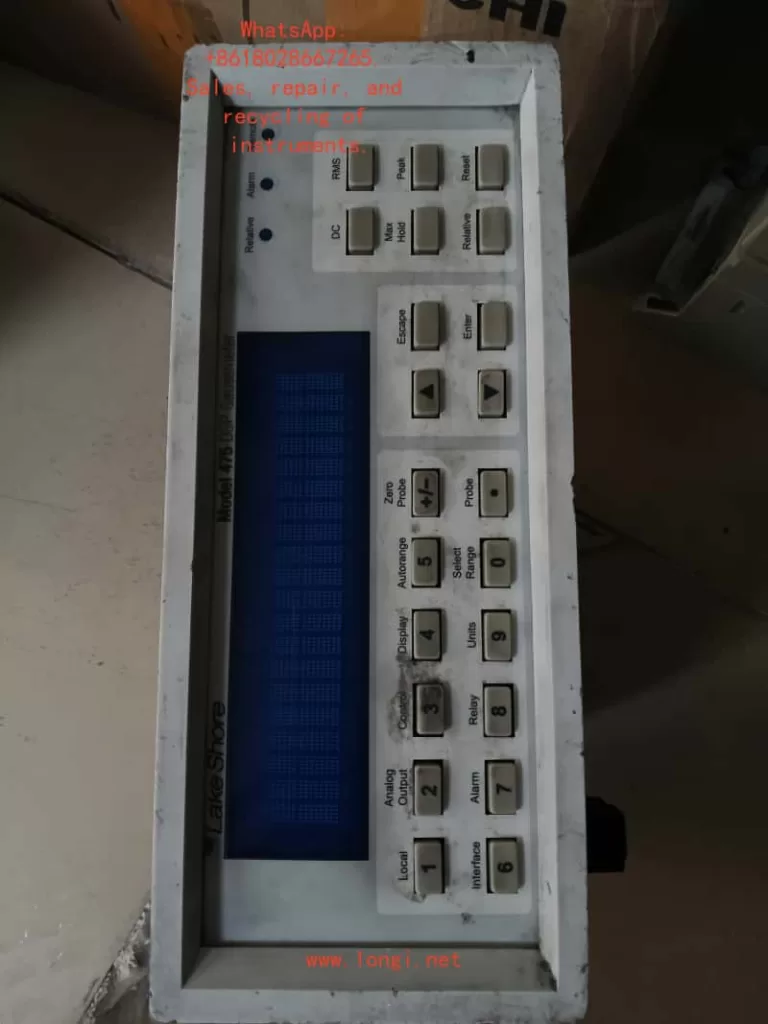
Lake Shore Gaussmeter 475DSP Series User Manual Usage Guide

Introduction

The 475DSP series gaussmeter (hereinafter referred to as the 475DSP gaussmeter), developed by Lake Shore Cryotronics, is a precision magnetic field measurement device that utilizes digital signal processing (DSP) technology to achieve high-accuracy detection of magnetic flux density and magnetic field strength. This equipment is suitable for various applications, including materials science, electromagnetism research, and industrial magnetic field monitoring. This guide is compiled based on the Model 475 User Manual (Revision 2.4, June 10, 2019) and covers four core modules: principles and characteristics, standalone operation and computer software integration, calibration and maintenance, and troubleshooting. It aims to guide users in safely and effectively utilizing the equipment. Note: If the device model or firmware version differs, please consult the latest resources on the Lake Shore website to ensure compatibility.

The guide adopts a hierarchical structure, first analyzing the basic principles of the device, then detailing the operation methods, followed by discussing maintenance strategies, and finally addressing potential issues. Through this guide, users can progress from basic introduction to advanced applications.

1. Principles and Characteristics of the Gaussmeter

1.1 Overview of Principles

The 475DSP gaussmeter operates based on the Hall effect, an electromagnetic phenomenon where a voltage perpendicular to both the current and magnetic field is generated when a current-carrying conductor is placed in a magnetic field. The magnitude of this voltage is directly proportional to the magnetic field strength. The device captures this voltage through a Hall probe and amplifies and converts it via internal circuitry to output magnetic field readings.

Unlike conventional analog instruments, the 475DSP integrates a DSP module to digitize analog signals for advanced processing, including noise suppression and algorithm optimization. The main system components include:

  • Data Acquisition Mechanism: Continuous magnetic field signals are sampled and converted into digital sequences. The A/D converter collects data at a high frequency (e.g., dozens of times per second in DC mode) to ensure the capture of dynamic changes. The sampling theorem is followed to avoid frequency aliasing.
  • DSP Core Operations: The processor performs filtering, spectral analysis (e.g., Fourier transforms for AC RMS calculations), and error correction. It considers the effects of quantization error and thermal noise to maintain measurement stability.
  • Mode-Specific Principles:
    • DC Measurement: For constant or low-frequency magnetic fields, average filtering is used to eliminate random interference. Zero-field calibration utilizes a dedicated cavity to offset drift.
    • Root Mean Square (RMS) Measurement: Calculates the true RMS value of periodic AC fields, suitable for non-sinusoidal waves. Supports wide-band analysis with a frequency limit up to several kHz.
    • Peak Capture: Detects transient peaks, supporting both positive and negative polarities and pulse/continuous modes. High sampling rates (e.g., tens of thousands of Hz) are suitable for rapid pulse fields.
  • Units and Conversion: Conversion between magnetic flux density B (units: Gauss (G) or Tesla (T)) and magnetic field strength H (Ampere/meter (A/m) or Oersted (Oe)) is based on the permeability relationship. In non-magnetic media, B ≈ μ₀H.
  • Sensor Details: The Hall element has a small sensitive area and must be orthogonal to the magnetic field. Probe types vary, such as axial or transverse, with attention to polarity reversal and mechanical protection.

1.2 Characteristics Analysis

The 475DSP gaussmeter stands out with its advanced design, integrating precision, convenience, and durability. The following analysis covers performance, accessories, interface, and specifications:

  • Performance Highlights:
    • Multi-Mode Support: DC, RMS, and peak modes, with a range from nanogauss to hundreds of kilogauss.
    • Precision Enhancement: ±0.05% reading accuracy in DC mode, with an RMS frequency response up to 20 kHz.
    • Intelligent Functions: Auto-ranging, peak locking, deviation comparison, and threshold alarms.
    • Environmental Adaptability: Built-in temperature monitoring with automatic compensation for thermal drift (<0.01%/°C).
  • Accessory Features:
    • Probe Variety: High-precision (HST), sensitive (HSE), and extreme field (UHS) probes.
    • Memory Chips: Probe EEPROMs record calibration parameters for seamless integration.
    • Cable Extension: Supports cables up to 30 meters while maintaining signal integrity.
    • Custom Components: Bare Hall sensors for integrated applications, with resistance ranges of 500-1500 Ω and sensitivities of 0.05-0.15 mV/G.
  • Interface and Connectivity:
    • Display System: Color LCD screen with dual-line display of field values and auxiliary information (e.g., frequency). Brightness is adaptive.
    • Control Panel: Full-function keyboard supporting shortcuts and menu navigation.
    • Communication Ports: GPIB (IEEE-488) and serial RS-232 for data transmission.
    • Output Options: Multiple analog voltages (±5 V or ±12 V) and relay control.
    • Indicator Lights: Status LEDs indicate operation modes.
  • Technical Specifications:
    • Input: Single-channel Hall input with temperature compensation.
    • Accuracy Indicators: RMS ±0.5% (100 Hz-1 kHz), peak ±1.5%.
    • Environmental Adaptability: Operating temperature range of -10°C to 60°C, humidity <80%.
    • Power Supply: Universal AC 90-250 V, power consumption <20 W.
    • Physical Dimensions: 250 mm wide × 100 mm high × 350 mm deep, weighing approximately 4 kg.
    • Compliance: CE certification, Class A EMC, NIST traceable.
    • Warranty Policy: 3-year warranty from the shipping date, covering manufacturing defects (excluding abuse).
  • Additional Advantages:
    • Firmware Reliability: Although software limitations may exist, results are emphasized through dual verification.
    • Safety Design: Grounding requirements and anti-static measures.
    • EMC Optimization: Shielding recommendations for laboratory use to avoid RF interference.
      These characteristics make the 475DSP suitable for precision magnet calibration and electromagnetic shielding testing, providing robust solutions.

2. How to Use the Gaussmeter Independently and via Computer Software

2.1 Standalone Usage Guide

The 475DSP gaussmeter is designed for user-friendliness and supports standalone operation without external devices. The following covers steps from installation to advanced applications.

2.1.1 Installation Preparation

  • Unpacking Inspection: Confirm that the package includes the host unit, power adapter, optional probes, and documentation.
  • Rear Panel Interfaces: Connect the power supply (90-250 V), probe port (D-sub 15-pin), and I/O expansion (including analog output and relay).
  • Power Configuration: Install an appropriate fuse (1 A slow-blow) and use a grounded socket. The power switch is located on the rear.
  • Probe Installation: Insert the probe, which is automatically recognized by the EEPROM. If not detected, the screen prompts “Probe Missing.”
  • Mechanical Considerations: The probe’s bending radius is limited to 3 cm to avoid physical stress.
  • Installation Options: Supports desktop or rack mounting using dedicated brackets.

2.1.2 Basic Operations

  • Startup: Upon power-on, the device performs a self-test and displays firmware information. It defaults to DC mode.
  • Screen Interpretation: The main line displays the magnetic field value, while the auxiliary line shows temperature or frequency. The unit switching key supports G/T/A/m/Oe.
  • Key Functions: Shortcut keys switch modes, long presses activate submenus, arrows navigate, and numbers input parameters.
  • Unit Adjustment: A dedicated key cycles through magnetic field units.
  • DC Operation: Select DC mode and set auto/manual range. Filter levels include precision (slow), standard, and fast. Zero calibration is performed by placing the probe in a zero cavity and pressing the zero key. Peak mode locks extreme values (absolute or relative). Deviation sets a reference for comparison.
  • RMS Operation: Switch to RMS mode and configure bandwidth (wide/narrow). Displays the RMS value and frequency. Alarm thresholds can be set.
  • Peak Operation: Select peak mode and pulse/periodic submodes. Captures instantaneous high and low peaks, supporting reset.
  • Temperature Function: Displays the probe temperature in real-time (°C/K) and enables compensation.
  • Alarm System: Defines upper and lower limits and activates buzzers or external signals.
  • Output Control: Configures analog channel proportions and relay linkage with alarms.
  • Locking Mechanism: Password-protects the keyboard (default password: 456).
  • Reset: A combination key restores factory settings (retaining calibration).

2.1.3 Advanced Standalone Functions

  • Probe Configuration: Resets compensation or programs custom probes in the menu.
  • Cable Programming: Uses a dedicated cable to input sensitivity.
  • Environmental Considerations: For indoor use, avoid high RF areas, with an altitude limit of 3000 m.
    Standalone mode is ideal for portable measurements and offers intuitive operation.

2.2 Usage via Computer Software

The 475DSP is equipped with standard interfaces to support remote control and automation.

2.2.1 Interface Preparation

  • GPIB Setup: Address range 1-31 (default 5), with terminators LF or EOI.
  • Serial Port Parameters: Baud rate 1200-19200 bps (default 19200), no parity. Use a DB-9 connector.
  • Mode Switching: The remote mode is indicated by LEDs. Press the local key to return.

2.2.2 Software Integration

  • Status Monitoring: Utilizes event registers to query operational status, such as *STB?.
  • Command Library: System commands like *RST for reset and queries like FIELD? to read values. MODE sets the mode.
  • Programming Examples: Configures interfaces in Python or C++ and sends commands like *IDN? to confirm the device.
  • Service Requests: Enables SRQ interrupts for synchronous data.
  • Serial Protocol: Commands end with CR, and responses are simple to parse.
  • Compatible Software: Supports NI LabVIEW drivers; consult Lake Shore for details.
  • Debugging Tips: Verify connection parameters and check cables or restart if there is no response.
    Computer mode is suitable for batch data collection, such as plotting magnetic field maps with scripts.

3. How to Calibrate, Debug, and Maintain the Gaussmeter

3.1 Calibration and Debugging

Regular calibration maintains accuracy, and it is recommended to have the device calibrated annually by Lake Shore using NIST standards.

3.1.1 Required Tools

  • Computer with communication software.
  • High-precision multimeter (e.g., Fluke 87).
  • Resistance standards (10 kΩ-1 MΩ, 0.05% precision).
  • Zero-field cavity.

3.1.2 Calibration Process

  • Gain Adjustment: Input analog voltage and use the CALGAIN command to calculate the factor (actual/expected).
  • Zero Offset: Use the CALZERO command to clear the offset.
  • Temperature Calibration: Measure resistance with varying currents and update compensation coefficients.
  • Output Verification: Set the voltage range, measure, and fine-tune the offset.
  • Storage: Use the CALSTORE command to save to non-volatile memory.
  • Debugging Steps: Perform zero-field tests to verify the baseline, enable compensation to check stability, simulate thresholds to confirm alarms, and input values in deviation mode to test calculations.
  • Probe Handling: Calibrate cables integrally and input custom sensitivity (mV/G).

3.1.3 Maintenance and Care

  • Daily Cleaning: Wipe dust with a soft cloth, avoiding solvents. Store between -30°C and 70°C.
  • Probe Protection: Protect from impacts and perform regular zero calibrations.
  • Power Supply Check: Replace fuses and ensure stable voltage.
  • EMC Practices: Use short cable routes and separate signals.
  • Firmware Management: Consult the manufacturer before updating the firmware.
  • Warranty Reminder: Modifications invalidate the warranty; exclude disasters.
    Regular maintenance ensures long-term reliability.

4. What are the Faults of the Gaussmeter and How to Address Them

4.1 Common Fault Classifications

Faults can be categorized into device, user, and connection types, with error codes displayed on the screen.

4.1.1 Device Faults

  • Probe Not Detected: Loose connection or faulty probe. Solution: Reconnect, check the cable. Replace if defective.
  • Calibration Failure: Data corruption. Solution: Reset memory and recalibrate.
  • Internal Communication Disruption: Hardware issue. Solution: Restart; if persistent, return for repair.
  • Memory Error: EEPROM problem. Solution: Restore defaults and verify.
  • Out of Range: Excessive magnetic field. Solution: Adjust the range or remove the source.
  • Temperature Overload: Sensor overheating. Solution: Cool down and wait.

4.1.2 User Operation Faults

  • Keyboard Lock: Password activated. Solution: Input the password to unlock.
  • Invalid Command: Mode conflict. Solution: Switch to a compatible mode.
  • Reading Fluctuations: Interference. Solution: Enhance filtering and shielding.

4.1.3 Connection Faults

  • GPIB Unresponsive: Configuration error. Solution: Check the address and use *CLR to clear.
  • Serial Port Error: Parameter mismatch. Solution: Match the baud rate and check the line.
  • Interrupt Failure: Register not set. Solution: Enable *SRE.

4.1.4 General Troubleshooting Steps

  • Steps: Power off and restart, check the manual for error codes, and press the clear key.
  • Service: Provide the model number.
  • Prevention: Follow grounding specifications and avoid use in explosive areas.
  • Software Issues: Recheck abnormal readings and avoid reverse engineering.
    Quick responses minimize downtime.

Conclusion

This guide provides a comprehensive overview of the application of the 475DSP gaussmeter, assisting users in optimizing their operations. Combining practical experience with the manual deepens understanding.

Posted on

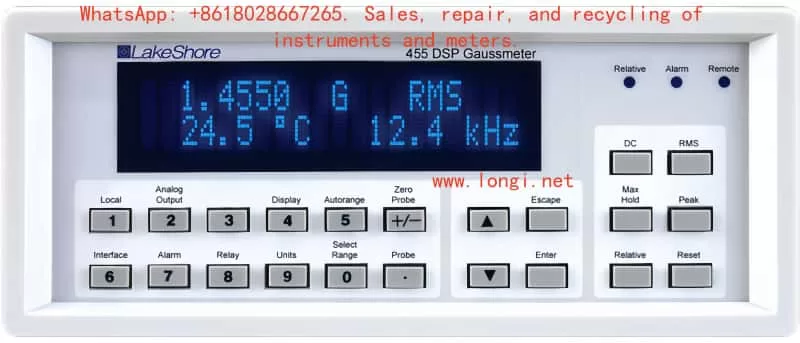
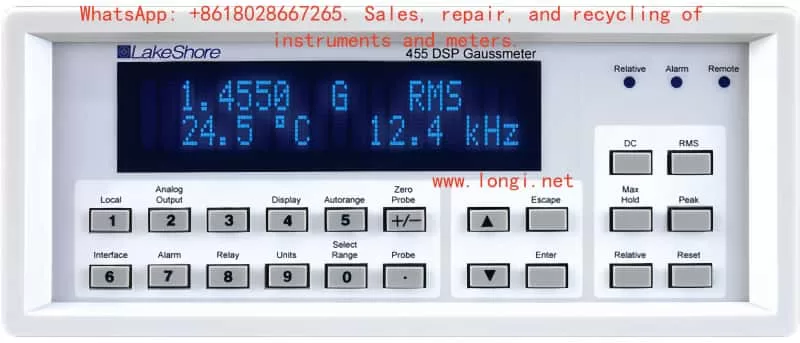
User Guide for Lake Shore Gaussmeter 455DSP Series

Introduction

The 455DSP series gaussmeter from Lake Shore Cryotronics is an advanced digital signal processing (DSP)-based magnetic field measurement instrument widely used in scientific research, industrial production, and quality control. Leveraging the Hall effect principle combined with modern DSP technology, it offers high-precision, wide-range magnetic field measurement capabilities. This user guide, based on the official manual (Model 455 Series, Revision 1.5), provides detailed instructions on principles and features, standalone and PC software operation, calibration and maintenance, and troubleshooting. It aims to help users operate the device efficiently and safely. Note: Ensure the model matches the manual during operation.

This guide is structured to first introduce core principles and advantages, then guide operation procedures, followed by maintenance and calibration, and finally analyze fault exclusion.

1. Principles and Features of the Gaussmeter

1.1 Principle Overview

The 455DSP gaussmeter is based on the Hall effect, a phenomenon where a current-carrying conductor in a magnetic field generates a transverse voltage. Specifically, when current flows through a Hall sensor (typically a semiconductor like indium arsenide) placed perpendicular to the current direction in a magnetic field, a Hall voltage proportional to the magnetic field strength is produced. This voltage is amplified and digitized to provide readings of magnetic flux density (B) or magnetic field strength (H).

The instrument employs digital signal processing (DSP) technology to convert analog signals into digital signals for processing, allowing for more precise filtering, compensation, and calculations compared to traditional analog gaussmeters. The system overview is as follows:

  • Sampling Data System: While humans perceive the world through continuous analog signals, modern instruments use sampling systems to convert these signals into discrete digital samples. The 455DSP gaussmeter uses an analog-to-digital converter (A/D) to capture Hall voltage at a high sampling rate (e.g., up to 30 readings per second in DC mode), ensuring real-time responsiveness.
  • DSP Processing: The DSP chip processes the sampled data, including digital filtering, Fourier transforms (for RMS and peak modes), and compensation algorithms. Limitations include the Nyquist theorem (sampling rate must be at least twice the signal frequency to avoid aliasing) and quantization noise (determined by A/D resolution).
  • Measurement Mode Principles:
    • DC Mode: Suitable for static or slowly varying magnetic fields. Uses digital filters to smooth noise and provide high-resolution readings. Zero-point calibration eliminates offset using a zero-gauss chamber.
    • RMS Mode: Measures the effective value of periodic AC magnetic fields. Uses true RMS calculation to account for waveform distortion. Frequency range up to 1 kHz, supporting broadband or narrowband filtering.
    • Peak Mode: Captures peaks (positive/negative) of pulsed or periodic magnetic fields. Sampling rate up to 10 kHz, suitable for transient fields like electromagnetic pulses. Periodic mode continuously updates peaks, while pulse mode captures single events.
  • Magnetic Flux Density vs. Magnetic Field Strength: Magnetic flux density (B) is the magnetic flux per unit area, measured in gauss (G) or tesla (T). Magnetic field strength (H) is the intensity generating the magnetic field, measured in amperes per meter (A/m). In vacuum or air, B = μ₀H (μ₀ is the vacuum permeability). The instrument can switch between unit displays.
  • Hall Measurement Details: The Hall sensor has an active area (typically 0.5 mm × 0.5 mm), with polarity depending on the magnetic field direction, requiring the sensor to be perpendicular to the field. Probes include transverse and axial types, with a minimum bending radius (2.5 cm) to avoid damage.

1.2 Feature Analysis

The 455DSP gaussmeter integrates multiple innovative features that distinguish it from similar products. Below are detailed descriptions of its measurement, probe, display and interface, and specification features:

  • Measurement Features:
    • Supports DC, RMS, and peak modes, covering a wide range from microgauss to 350 kG.
    • High resolution: 4¾ digits in DC mode, supports frequency measurement (1 Hz to 20 kHz) in RMS mode.
    • Auto-ranging (Autorange) and manual range selection for flexibility.
    • Max/min hold (Max Hold), relative measurement (Relative), and alarm functions enhance practicality.
    • Temperature measurement: Integrated temperature sensor compensates for probe thermal drift, improving accuracy.
  • Probe Features:
    • Compatible with multiple probes: high-stability (HST), high-sensitivity (HSE), and ultra-high magnetic field (UHS).
    • Probe-embedded EEPROM stores serial number, sensitivity, and compensation data for plug-and-play functionality.
    • Supports temperature compensation to reduce thermal effect errors (typical <0.02%/°C).
    • Extension cables: Up to 100 feet with EEPROM calibration data.
    • Bare Hall generators: For custom applications, with specifications including input resistance (typical 600-1200 Ω) and output sensitivity (0.06-0.13 mV/G).
  • Display and Interface Features:
    • Dual-line 20-character vacuum fluorescent display (VFD) with adjustable brightness (25%-100%).
    • LED indicators: For relative, alarm, and remote modes.
    • Keyboard: 22 full-travel keys supporting direct operation, hold, and data input.
    • Interfaces: IEEE-488 (GPIB) and RS-232 serial ports for remote control and data acquisition.
    • Analog outputs: Three channels (Analog Output 1-3), configurable as ±3V or ±10V, proportional to field value.
    • Relays: Two mechanical relays following alarm or manual control.
  • Specification Parameters:
    • Input type: Single Hall sensor with temperature compensation.
    • DC accuracy: ±0.1% of reading ±0.005% full scale.
    • RMS accuracy: ±1% (50 Hz-400 Hz).
    • Peak accuracy: ±2%.
    • Temperature range: 0-50°C, stability ±0.03%/°C.
    • Power: 100-240 VAC, 50/60 Hz.
    • Dimensions: 216 mm wide × 89 mm high × 318 mm deep, weight 3 kg.
    • EMC compatibility: Meets CE Class A standards, suitable for laboratory environments.
    • Warranty: 3 years covering material and workmanship defects (excluding improper maintenance).
  • Other Advantages:
    • Firmware limitations: Ensure accuracy but emphasize result verification.
    • Safety symbols: Include warnings, cautions, and grounding identifiers.
    • Certification: NIST-traceable calibration, compliant with electromagnetic compatibility directives.

These features make the 455DSP gaussmeter suitable for applications in low-temperature physics, magnetic material testing, and electromagnetic compatibility, providing reliable measurement solutions.

2. How to Use the Gaussmeter Independently and via PC Software?

2.1 Standalone Operation Guide

The 455DSP gaussmeter supports standalone operation without a PC for most measurement tasks. The following steps detail installation, basic operation, and advanced functions.

2.1.1 Installation and Preparation

  • Unpacking: Check packaging integrity; accessories include the instrument, power cord, probe (optional), and manual.
  • Rear Panel Connections:
    • Power input (100-240 V).
    • Probe input (15-pin D-type).
    • Auxiliary I/O (25-pin D-type, including relays and analog outputs).
  • Power Setup:
    • Select voltage (100/120/220/240 V).
    • Insert fuse (0.5 A slow-blow).
    • Connect grounded power cord. Power switch located on the rear panel.
  • Probe Connection:
    • Insert probe, ensuring EEPROM data is read. Displays “NO PROBE” if no probe is connected.
  • Probe Handling:
    • Avoid bending probe stem (minimum radius 2.5 cm); do not apply force to the sensor. In DC mode, direction affects polarity.
  • Rack Mounting: Optional RM-1/2 kit supports half-rack or full-rack mounting.

2.1.2 Basic Operation

  • Power On: Press power switch; display initializes (firmware version). Defaults to DC mode.
  • Display Definition:
    • Upper line: Field value.
    • Lower line: Temperature/frequency.
    • Units: G, T, A/m, Oe.
    • Brightness adjustment: Hold Display key, select 25%-100%.
  • Keyboard Operation:
    • Direct keys (e.g., DC/RMS/Peak toggle).
    • Hold keys (e.g., zero).
    • Selection keys (s/t arrows) and data input.
  • Unit Switching: Press Units key, select G/T or A/m/Oe.
  • DC Mode:
    • Press DC key. Auto/manual range (press Select Range). Resolution and filtering: slow (high precision), medium, fast. Zero-point: insert zero-gauss chamber, press Zero Probe. Max Hold: press Max Hold, captures max/min (algebraic or amplitude). Relative: press Relative, use current field or setpoint. Analog output: proportional to field value.
  • RMS Mode:
    • Press RMS key. Filter bandwidth: wide (DC-1 kHz) or narrow (15 Hz-10 kHz). Frequency measurement: displays dominant frequency. Reading rate: slow/medium/fast. Max Hold and relative similar to DC mode.
  • Peak Mode:
    • Press Peak key. Configure periodic/pulse. Displays positive/negative peaks. Frequency measurement supported. Relative and reset available.
  • Temperature Measurement: Automatically displays probe temperature (°C or K).
  • Alarm:
    • Press Alarm, set high/low thresholds, internal/external mode. Buzzer optional.
  • Relays:
    • Press Relay, configure manual or follow alarm.
  • Analog Output 3:
    • Press Analog Output, modes: default, user-defined, compensation. Polarity: single/double. Voltage limit: ±10 V.
  • Keyboard Lock:
    • Press Lock, enter code (123 default).
  • Default Parameters:
    • Press Escape + Enter to reset EEPROM (does not affect calibration).

2.1.3 Advanced Standalone Operation

  • Probe Management:
    • Press Probe Mgmt, clear zero-point or temperature compensation.
  • User Programming Cable:
    • Connect HMCBL cable, press MCBL Program to program sensitivity.
  • EMC Considerations:
    • Use shielded cables, avoid RF interference. Indoor use, altitude <2000 m.

Standalone operation is suitable for on-site rapid measurements, with a user-friendly interface.

2.2 Using PC Software for Operation

The 455DSP supports IEEE-488 and serial interfaces for remote control and data acquisition, requiring upper computer software like LabVIEW or custom programs.

2.2.1 Interface Setup

  • IEEE-488:
    • Address 0-30 (default 4), terminator CR LF/LF CR/EOI. Press IEEE to set.
  • Serial Port:
    • Baud rate (300-9600, default 9600), parity (none/odd/even). Connect DB-9.
  • Remote/Local:
    • Remote mode LED illuminates; press Local to return to local mode.

2.2.2 Software Operation

  • Status System:
    • Includes standard event register (ESR) and operation event register (OPST). Use ESE, ESR? to query.
  • Command Summary:
    • CLS clears, IDN? identifies, *OPC completes. Measurement commands: RDGFIELD? reads field value, RDGMODE sets mode.
  • Example Program:
    • Use Visual Basic or NI-488.2. Configure GPIB board, send commands like *IDN? to get ID.
  • Programming Example:
    • Generate SRQ (service request), use *OPC to synchronize operations.
  • Serial Port Messages:
    • End with , queries end with ?.
  • LabVIEW Driver:
    • Lake Shore provides; consult availability.
  • Troubleshooting:
    • Check address/baud rate, ensure terminator. If no response, restart or check cable.

PC operation is suitable for automated testing and data logging, such as analyzing magnetic field distributions with MATLAB.

3. How to Calibrate, Debug, and Maintain the Gaussmeter?

3.1 Calibration and Debugging

Calibration ensures measurement accuracy; recommended annually. Lake Shore provides NIST-traceable services.

3.1.1 Equipment Required

  • PC with serial port software.
  • Digital multimeter (DMM, e.g., Keithley 2000).
  • Precision resistors (22.1 kΩ, 200 kΩ, etc., 0.1% precision).
  • Zero-gauss chamber.

3.1.2 Gaussmeter Calibration

  • Gain Calibration:
    • Use resistors to simulate Hall voltage. Send CALG command to set gain factor (GCF = expected/actual).
  • Zero-Point Offset:
    • Use CALZ command.
  • Temperature Measurement Calibration:
    • Excite current (10 μA, 100 μA, 1 mA), measure resistance, calculate GCF.
  • Analog Output Calibration:
    • Set mode, measure voltage, adjust GCF and OCF.
  • Save:
    • CALSAVE command stores to EEPROM.
  • Debugging:
    • Zero-point probe: Insert into zero-cavity, press Zero Probe. Temperature compensation: Press Probe Mgmt to enable. Relative mode debugging: Setpoint verification for deviation. Alarm debugging: Simulate field value to check buzzer/relay. Probe calibration: Calibrate with extension cable. User programming: Input sensitivity (mV/kG).

3.1.3 Maintenance

  • Daily Maintenance:
    • Keep clean, avoid dust. Storage temperature -20°C to 60°C.
  • Probe Maintenance:
    • Avoid bending, collision. Regular zero-point checks.
  • Power and Fuse:
    • Check voltage, replace 0.5 A fuse.
  • EMC Maintenance:
    • Use shielded cables, short routes, avoid bundling different signals.
  • Firmware Updates:
    • Consult Lake Shore; no strict deadline.
  • Warranty Note:
    • Improper maintenance (e.g., modifying firmware) voids warranty.

Maintenance extends lifespan and ensures accuracy.

4. What are the Common Faults of the Gaussmeter and How to Handle Them?

4.1 Common Fault Classification

Faults are categorized into hardware, operational, and interface types. Error messages display on-screen.

4.1.1 Hardware Faults

  • No Probe: Probe not connected or damaged. Handle: Check connection, reinsert. If damaged, replace.
  • Invalid Calibration: Calibration data corrupted. Handle: Reset EEPROM, press Escape + Enter. Requires recalibration.
  • Input Not Responding: Internal communication failure. Handle: Restart; if persistent, return for repair.
  • EEPROM Error: Parameters default; recurrence indicates EEPROM defect. Handle: Reset, check calibration.
  • Overload: Field exceeds range. Handle: Switch range or remove strong field.
  • Temp Overload: Sensor exceeds range. Handle: Cool probe.

4.1.2 Operational Faults

  • LOCKED: Keyboard locked. Handle: Input code to unlock.
  • Illegal Operation: E.g., Max unavailable in peak mode. Handle: Configure mode.
  • Measurement Unstable: Noise or interference. Handle: Enable filtering, shield environment.

4.1.3 Interface Faults

  • IEEE-488: No response. Handle: Check address, terminator. Send *CLS to clear.
  • Serial Port: Transmission error. Handle: Match baud rate, check parity. Verify TD/RD lines.
  • SRQ Failure: Event register issue. Handle: Enable ESE bits, set SRE.

4.1.4 Handling Methods

  • General Steps:
    • Restart instrument, check cables/power. Refer to error message, press Escape to clear.
  • Return to Factory:
    • If persistent, provide serial number.
  • Prevention:
    • Follow safety (e.g., grounding), avoid explosive environments.
  • Firmware Issues:
    • Verify data if results abnormal; avoid modifying code.

Timely handling ensures reliable operation.

Conclusion

This guide comprehensively covers the use of the 455DSP gaussmeter, helping users progress from basic to advanced operations. For practical application, combine with the manual for experimentation.

Posted on

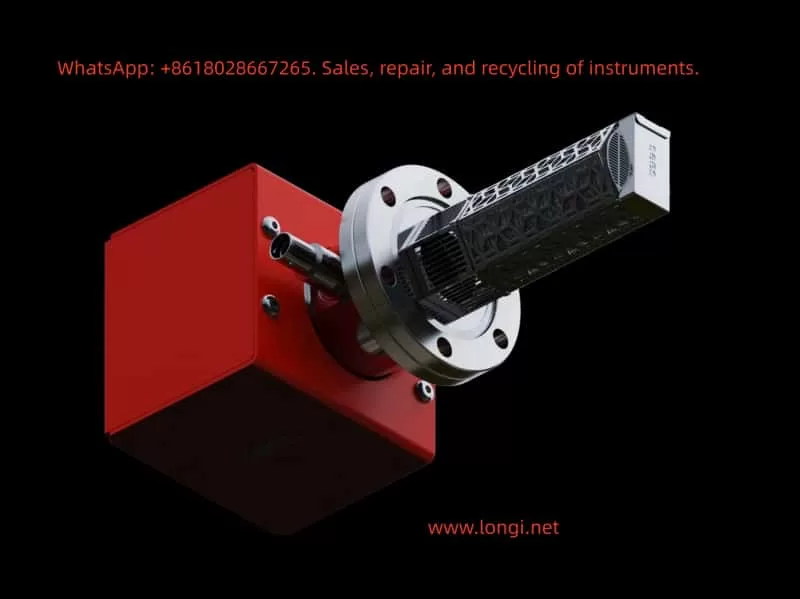
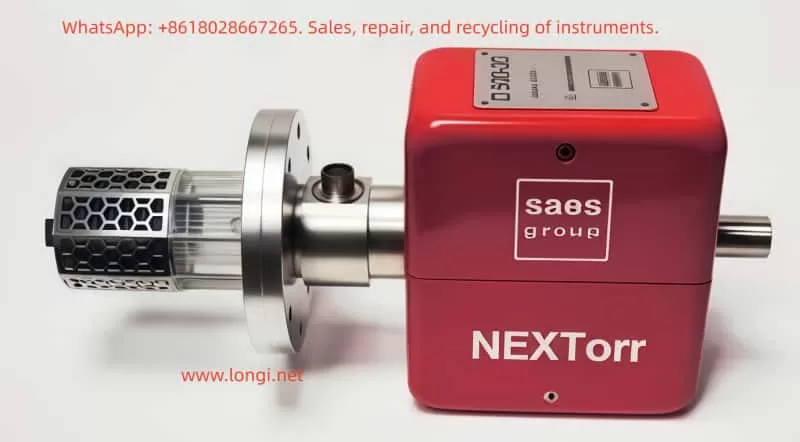
NEXTorr® Z 100 ND Float Pump User Guide

1. Overview and Principle

The NEXTorr® Z 100 ND Float Pump is a hybrid ultra-high vacuum pump that combines a Non-Evaporable Getter (NEG) with a Sputter Ion Pump (SIP). The NEG element efficiently removes active gases such as H₂, CO, CO₂, O₂, and H₂O, while the ion pump handles inert gases (such as Ar) and methane, also providing a current signal that can be used as a pressure indication. The Z100 features compact size, low power consumption, and minimal magnetic interference, making it ideal for scanning electron microscopes and other sensitive equipment.

NEG works by chemically absorbing and dissolving gas molecules at room temperature, but it must first be activated at high temperature (about 400–500 °C for 1 hour) to remove the passivation layer. After activation, NEG continuously pumps at room temperature with virtually no power consumption. The ion pump operates by ionizing residual gas molecules under high electric and magnetic fields. Positive ions are accelerated to strike the cathode and become trapped. The “ND” (Noble Diode) design improves the pumping of inert gases.

2. Applications

  • Ultra-high vacuum chambers in SEMs
  • Compact research equipment with space constraints
  • Systems sensitive to vibration and magnetic fields
  • Environments with a significant inert gas background

3. Installation and Commissioning

3.1 Mechanical Installation

  • Verify flange type and sealing surfaces are clean and free of scratches.
  • Use copper gaskets or O-rings, tighten with proper torque.
  • Avoid vacuum grease contamination, keep the pump inlet clean.
  • Install away from strong magnetic fields of the electron optics.

3.2 Electrical Connection

  • The ion pump requires a high-voltage power supply (typically 3–7 kV).
  • The NEG requires heater/temperature control for activation.
  • Ensure HV cables are securely locked and correct polarity is applied.

3.3 Initial Pump Down and Leak Check

  • Use a forepump/turbo system to reach ≤10⁻⁶ mbar before activation.
  • Perform helium leak detection to confirm no flange leakage.

3.4 NEG Activation

  • Heat NEG under vacuum to 400–500 °C for about 1 hour.
  • Monitor vacuum level and ion pump current during activation.
  • Cool down to room temperature before normal operation.

3.5 Ion Pump Startup

  • Once good vacuum is established and NEG is activated, gradually apply HV to start the ion pump.
  • Monitor ion current decreasing trend as an indication of pressure.

4. Operation and Maintenance

  • Use ion pump current as a proxy for chamber pressure.
  • For long-term shutdown, fill chamber with dry nitrogen to prevent contamination.
  • NEG can be reactivated several times but capacity will decrease gradually.
  • Avoid hydrocarbons or oil vapors entering the vacuum system.

5. Common Failures and Troubleshooting

  1. Slow pumping or cannot reach target pressure: Possible leaks, unactivated NEG, contamination, or poor conductance. → Leak check, re-activation, bakeout.
  2. High ion pump current: Possible leaks, discharges, or wiring errors. → Inspect sealing, reduce HV, check wiring.
  3. NEG performance decline: May be saturated or surface contaminated. → Re-activate or replace NEG.
  4. HV discharges: May be due to insufficient vacuum or insulation issues. → Reduce HV, re-pump, clean cables.
  5. Unstable readings: Ion current depends on gas composition. → Cross-check with independent gauges.

6. Integration with SEM

  • Minimize Ar contamination from sample preparation.
  • Control activation temperature within SEM chamber tolerance.
  • Use ion pump current as interlock for SEM HV supply.
  • Maintain strict cleanliness to prevent NEG contamination.

7. Safety Notes

  • Ion pump power supply is high voltage; always power down and discharge before servicing.
  • NEG activation involves high temperature; ensure insulation and thermal compatibility.
  • Follow SEM manufacturer’s operational and safety guidelines.

8. Conclusion

The NEXTorr® Z 100 ND Float Pump combines the fast pumping speed of NEG with the full gas spectrum coverage of an ion pump. Its compact design, low power consumption, and long lifetime make it ideal for SEM and UHV applications. Proper installation, activation, and regular maintenance are essential to ensure stable long-term performance.


Posted on

WZZ-3 Automatic Polarimeter User Guide

Introduction

Polarimetry is an important analytical technique widely applied in pharmaceuticals, food, chemistry, sugar production, and research laboratories. Substances that can rotate the plane of polarized light are called optically active. By measuring this rotation, information such as concentration, purity, or specific rotation of the sample can be obtained.

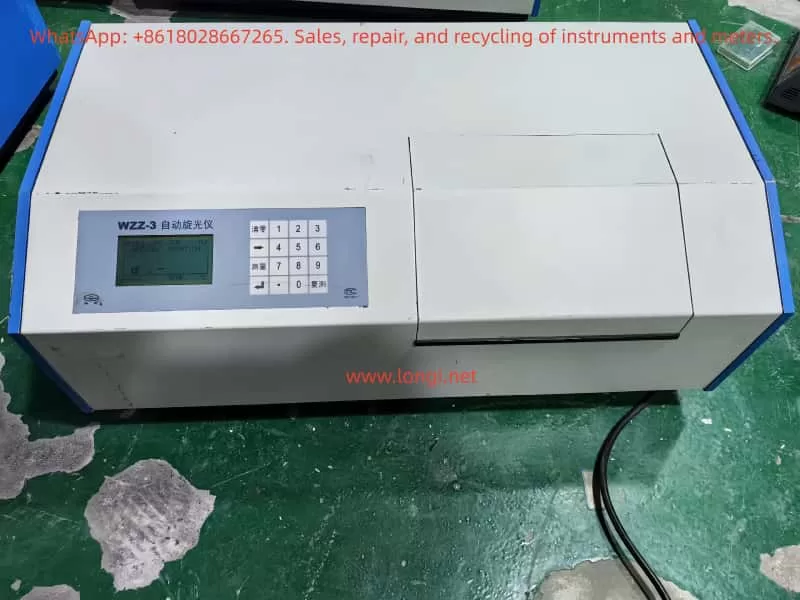
WZZ-3

The WZZ-3 Automatic Polarimeter, manufactured by Shanghai Shenguang Instrument Co., Ltd., is a modern optical instrument that adopts the photoelectric automatic balance principle. Compared with manual polarimeters, it eliminates human reading errors, improves accuracy, and allows direct digital display of results. The instrument is equipped with multiple measurement modes, temperature control functions, and digital data interfaces, making it suitable for high-precision laboratory analysis.

This guide aims to provide a comprehensive reference for users by covering:

  1. Principle and features of the WZZ-3 polarimeter
  2. Temperature control methods
  3. Calibration and adjustment procedures
  4. Operation and routine maintenance
  5. Common faults and troubleshooting methods

I. Principle and Main Features

1.1 Working Principle

The WZZ-3 polarimeter works based on the photoelectric automatic balance method. The measurement process can be summarized in the following steps:

  1. Light Source
    • The WZZ-3 typically uses a high-stability LED combined with an interference filter to provide a monochromatic beam close to the sodium D line (589.44 nm).
    • Some older models use a sodium lamp.
  2. Polarization System
    • The monochromatic light passes through a polarizer, producing linearly polarized light.
    • When the polarized light passes through an optically active substance (such as sugar solution, amino acid, or pharmaceutical compound), its polarization plane is rotated by a certain angle.
  3. Analyzer and Detection
    • At the analyzer end, a photoelectric detector receives the rotated polarized light.
    • The change in light intensity is converted into an electrical signal.
  4. Automatic Balance
    • The microprocessor adjusts the analyzer position automatically until light intensity reaches balance.
    • The rotation angle is calculated and displayed digitally as optical rotation, specific rotation, concentration, or sugar content.

1.2 Main Features

  • Multi-function Measurement: Supports direct measurement of optical rotation, specific rotation, concentration, and sugar content.
  • High Precision: Resolution up to 0.001°; repeatability ≤ 0.002°.
  • Automatic Operation: Automatically performs multiple measurements and calculates average values.
  • Temperature Control: Built-in temperature control ensures stable measurement conditions.
  • Digital Display and Output: Large LCD screen for real-time display; RS-232/USB interface for data transfer.
  • User-friendly: Simplified operation, reduced manual intervention, and minimized reading errors.

II. Temperature Control System

Optical rotation is temperature-dependent. Even small temperature changes can lead to measurable variations. The WZZ-3 is equipped with temperature control functions to ensure reliable and repeatable measurements.

2.1 Temperature Control Components

  • Sample Compartment with Jacket: Allows connection to a circulating water bath for precise control.
  • Built-in Heating Unit: Some models include an electric heater and sensor for direct temperature regulation.
  • Temperature Sensor: Monitors real-time sample temperature and provides feedback to the control system.

2.2 Control Range and Accuracy

  • Control Range: 15 ℃ – 30 ℃
  • Accuracy: ±0.5 ℃

2.3 Usage Notes

  1. Preheat the instrument until both the light source and the temperature control system stabilize.
  2. Ensure stable water circulation when using an external water bath.
  3. For high-precision tests, always use a thermostatic water bath together with temperature-controlled sample tubes.
  4. After use, drain water lines promptly to prevent scale buildup.

Automatic Polarimeter

III. Calibration and Adjustment

3.1 Zero Adjustment

  1. Turn on the instrument and allow 15–20 minutes for preheating.
  2. Insert an empty sample tube (or keep the cell empty).
  3. Select the Optical Rotation Mode and press the zero key to set the reading to 0.000°.

3.2 Calibration with Standard Sample

  1. Use the supplied quartz calibration plate or standard solution.
  2. Place it in the sample compartment and measure.
  3. Compare measured value with certified standard value:
    • If deviation ≤ ±0.01°, calibration is valid.
    • If deviation exceeds the tolerance, enter the calibration interface, input the standard value, and let the system adjust automatically.

3.3 Instrument Adjustment

  • Verify that the light source is stable and sufficient in intensity.
  • Ensure optical alignment so that the beam passes centrally.
  • Re-measure the standard sample repeatedly to confirm consistency.

IV. Operation and Routine Maintenance

4.1 Operating Steps

  1. Sample Preparation
    • Ensure the solution is homogeneous, transparent, and free of air bubbles or suspended particles.
  2. Power On and Preheating
    • Start the instrument and allow adequate preheating time for light and temperature stabilization.
  3. Mode Selection
    • Choose among optical rotation, specific rotation, concentration, or sugar content according to experimental requirements.
  4. Loading the Sample Tube
    • Fill the tube without air bubbles; seal the ends properly.
  5. Measurement
    • Press the measurement key; the instrument automatically performs multiple readings and calculates the average.
  6. Reading and Output
    • View results on the LCD; if necessary, export data through the interface to a computer or printer.

4.2 Routine Maintenance

  • Sample Compartment Cleaning: Clean regularly to prevent contamination.
  • Optical Components: Do not touch with bare hands; clean with ethanol and lint-free cloth if necessary.
  • Light Source: Inspect periodically; replace if intensity decreases significantly.
  • Environmental Requirements: Keep away from direct sunlight, vibration, and high humidity.
  • Long-term Storage: Switch off power, disconnect cables, and cover with a dust-proof cover.

V. Common Faults and Troubleshooting

5.1 Light Source Not Working

  • Possible Causes: Lamp/LED damaged, power supply fault, or loose connection.
  • Solution: Check power → inspect lamp → replace light source module.

5.2 Unstable Reading

  • Possible Causes: Sample turbidity, temperature fluctuation, insufficient preheating.
  • Solution: Use a filtered and homogeneous sample; extend preheating; apply thermostatic bath.

5.3 Large Measurement Deviation

  • Possible Causes: Not calibrated, expired standard sample, or improper zero adjustment.
  • Solution: Re-zero the instrument; calibrate with quartz plate; replace standards.

5.4 Communication Failure

  • Possible Causes: Interface damage, incorrect baud rate, faulty cable.
  • Solution: Verify port configuration; replace cable; check PC interface.

5.5 Temperature Control Failure

  • Possible Causes: Faulty temperature sensor, unstable water circulation.
  • Solution: Inspect circulation system; check sensor connection; replace if necessary.

VI. Conclusion

The WZZ-3 Automatic Polarimeter is a high-precision, multi-functional instrument widely used for analyzing optically active substances. Its strengths lie in:

  • Photoelectric automatic balance technology
  • Accurate temperature control
  • Multi-mode measurement capability
  • Digital display and data communication

To ensure reliable results, users should pay special attention to:

  • Calibration procedures (zero adjustment and standard sample calibration)
  • Temperature stability (always use thermostatic control for critical experiments)
  • Sample preparation (avoid bubbles and impurities)
  • Routine maintenance (cleaning, light source inspection, and storage conditions)

By following the outlined procedures and troubleshooting methods, users can maintain the instrument’s accuracy, extend its lifespan, and ensure consistent performance in laboratory applications.

Posted on

LFS-2002(NH₃-N) Ammonia Nitrogen Water Quality Online Analyzer User Instructions

I. Equipment Introduction

The LFS-2002(NH₃-N) is an ammonia nitrogen online water quality analyzer developed by Lihero Technology. It utilizes the colorimetric (chromogenic) principle to achieve online and automatic monitoring of ammonia nitrogen concentration in water through automatic sampling, reagent addition, mixing reaction, and colorimetric detection.

Scope of Application: Municipal water supply, sewage treatment plants, industrial wastewater discharge outlets, surface water, and groundwater monitoring.

Measurement Principle: After the sample water reacts with reagents, a colored complex is formed. Optical colorimetric detection is then performed at a specific wavelength, with the absorbance being directly proportional to the ammonia nitrogen concentration.

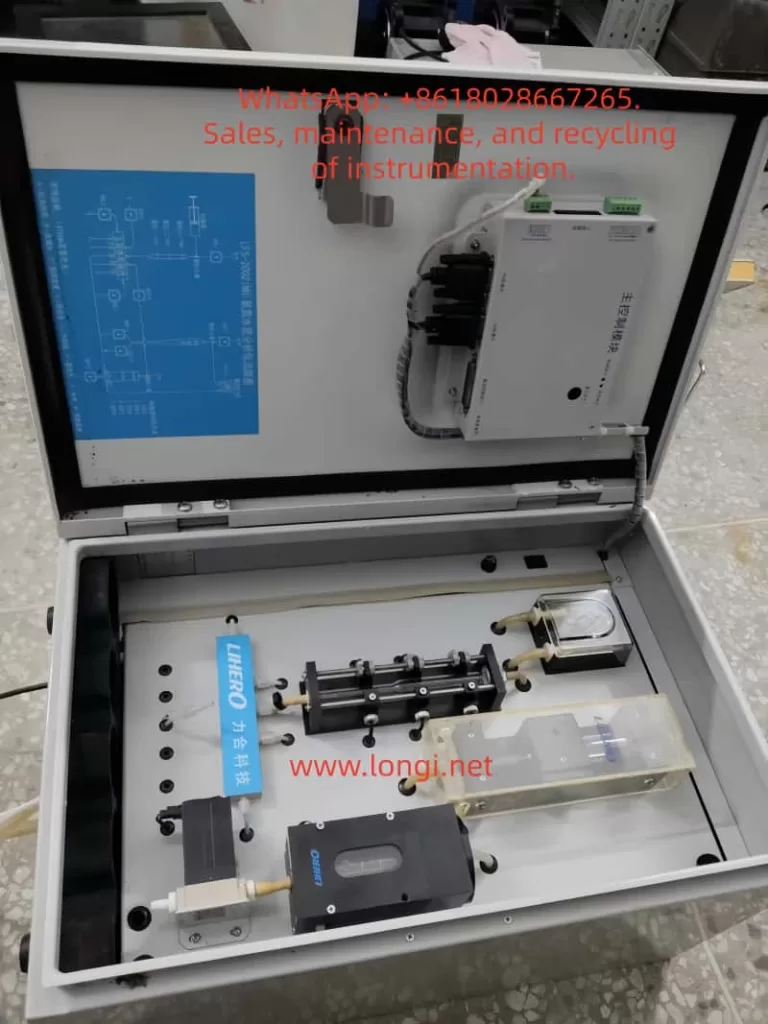
LFS-2002(NH)

II. Startup Procedures

A. Pre-Startup Inspection

  • Confirm that the power supply is 220V AC, 50Hz, and reliably grounded.
  • Check that the reagent bottles (chromogenic agent, buffer, and distilled water) are full.
  • Ensure the waste liquid bottle is empty to prevent overflow.
  • Inspect the peristaltic pump tubing and colorimetric cell for air bubbles, blockages, or leaks.

B. Startup Operation

  • Turn on the instrument’s power switch.
  • The screen will display “System Initialization” → “Cleaning Detection Cell” (as shown in your photo).
  • The system will automatically perform the following steps: Cleaning → Reagent Tubing Filling → Colorimetric Cell Emptying → Preparation for Detection.

C. Entering Measurement Mode

  • After initialization is complete, the instrument enters the standby/measurement state.
  • According to the set monitoring cycle (e.g., every 15 minutes/1 hour), it automatically completes sampling, reagent addition, reaction, detection, and waste discharge.

III. Calibration Methods

Regular calibration of the ammonia nitrogen analyzer is necessary to ensure data accuracy.

A. Zero Calibration

  • Take distilled water or deionized water as the blank sample.
  • Select “Zero Calibration” through the operation interface.
  • After system operation, it will automatically clean → inject the blank water sample → measure absorbance → automatically adjust the zero point.

B. Span Calibration

  • Use a standard ammonia nitrogen solution (e.g., 1.0 mg/L or 5.0 mg/L).
  • Select “Span Calibration” and connect the standard solution to the sample tube.
  • After system operation, the instrument compares the measured result with the standard value and automatically corrects the slope.

C. Calibration Cycle

  • It is recommended to perform zero calibration once a week and span calibration once a month.
  • Recalibrate immediately after significant water quality changes or reagent replacement.
LFS-2002(NH)

IV. Common Faults and Handling

Fault PhenomenonPossible CausesHandling Methods
Startup stuck at “System Initialization”Air bubbles in the tubing, improperly installed peristaltic pump tubingCheck the pump tubing, remove air bubbles, and reinstall
High measured valuesContaminated colorimetric cell, deteriorated reagentsClean the colorimetric cell and replace the reagents
Low measured valuesAged light source, insufficient reagent concentrationCheck the light source and replace the reagents
Inability to sampleBlocked sampling tubing or malfunctioning solenoid valveClean the tubing and check the solenoid valve operation
Screen alarm “No light signal in the colorimetric cell”Damaged bulb or faulty photovoltaic cellReplace the light source or photovoltaic cell
Large data fluctuationsAged pump tubing, unstable reagent ratioReplace the peristaltic pump tubing and check the reagent concentration

V. Daily Maintenance

A. Before Each Startup

  • Check the liquid levels in the reagent and waste liquid bottles.
  • Inspect the pump tubing and valves for normal operation.

B. Weekly

  • Perform zero calibration once.
  • Clean the colorimetric cell and tubing.

C. Monthly

  • Perform span calibration once.
  • Check for aging of the peristaltic pump tubing (generally replace every 3-6 months).

D. Annually

  • Replace the light source and key consumables.
  • Conduct comprehensive calibration and maintenance.

VI. Safety Precautions

  • The reagents contain chemicals. Wear protective gloves during operation.
  • Collect the waste liquid and avoid direct discharge into the environment.
  • If the instrument is shut down for more than one week, perform a cleaning procedure to prevent reagent crystallization and tubing blockage.
Posted on

User Guide for JEOL Scanning Electron Microscope JSM-7610F Series

I. Principles, Functions, and Features

1.1 Principles of Field Emission Scanning Electron Microscope

The JSM-7610F belongs to the Field Emission Scanning Electron Microscope (FE-SEM) family. It generates a highly bright electron beam using a field emission gun, focuses the beam onto the specimen surface, and scans point by point. Detectors collect signals such as secondary and backscattered electrons to form images. Compared to conventional tungsten filament SEMs, the FEG provides higher brightness and coherence, enabling imaging with sub-nanometer resolution.

SEM+EDS JSM-7610F Plus

Its core components include:

  • Electron Gun (In-lens Schottky FEG): Long lifetime, high brightness, and excellent stability.
  • Semi-in Lens Objective Lens: Reduces aberrations and improves resolution.
  • Aperture Angle Control Lens (ACL): Maintains small probe diameter even under high beam current.
  • Detector System: Includes SEI, LABE, STEM, etc., supporting morphology observation, compositional and structural analysis.
  • Vacuum System: Combination of turbo molecular pump and mechanical pump ensures high-vacuum chamber conditions.

1.2 Main Functions and Specifications

The JSM-7610F offers the following key specifications:

  • Resolution: 1.0 nm (15 kV), 1.5 nm (1 kV, GB mode); the upgraded JSM-7610FPlus achieves 0.8 nm at 15 kV.
  • Accelerating Voltage Range: 0.1 – 30 kV.
  • Magnification: ×25 – ×1,000,000 (up to 3,000,000 display magnification).
  • Gentle Beam Mode: Applies specimen bias to decelerate incident electrons, enabling surface imaging at ultra-low landing energies, suitable for non-conductive samples.
  • Analytical Functions: Compatible with EDS, WDS, EBSD, CL, providing high spatial resolution compositional analysis.
  • Specimen Stage: Fully motorized five-axis eucentric goniometer stage with ±70° tilt and 360° rotation.

1.3 Application Areas

  • Materials science (nanoparticles, composites, ceramics, metallurgy).
  • Semiconductor research (thin films, multilayers, defect analysis).
  • Biological samples (after conductive coating).
  • Nanotechnology and energy materials research.

II. Installation, Calibration, and Adjustment

2.1 Installation Requirements

  • Power Supply: Single-phase 200 V, 50/60 Hz, ~4 kVA.
  • Environment: Temperature 15–25 °C, humidity ≤ 60%.
  • Interference Control: AC magnetic field ≤ 0.3 μT, vibration ≤ 3 μm (≥ 5 Hz), noise ≤ 70 dB.
  • Space: Room ≥ 3 m × 2.8 m, height ≥ 2.3 m.

After installation, the following must be verified:

  • Vacuum performance: Chamber pressure < 10⁻³ Pa.
  • Electron gun tuning: Verify emission current and stability.
  • Stage calibration: Confirm X/Y/Z/R/T ranges and homing accuracy.

2.2 Calibration Items

  1. Electron Optics Calibration: Beam alignment, astigmatism correction, gun centering.
  2. Working Distance (WD) Calibration: Ensure Z-axis displacement corresponds with WD readouts.
  3. Detector Calibration: Gain adjustment and spectrum calibration for SE/BSE and EDS/WDS.
  4. Stage Eucentric Calibration: Guarantee that rotation keeps the sample within the focus plane.

III. Operating Procedures

The JSM-7610F operation is divided into sample loading, imaging setup, image acquisition, and sample unloading.

3.1 Sample Loading

  1. Confirm stage is in Exchange Position, loadlock vacuum is stable.
  2. Open loadlock and insert sample. Ensure specimen height is flush or measure offset if protruding.
  3. Close loadlock and evacuate until pressure < 10⁻³ Pa.
  4. Use transfer rod to move the sample into chamber and lock onto stage.

3.2 Imaging Preparation

  1. Turn on electron gun, set accelerating voltage (commonly 5–15 kV).
  2. Select detector: SEI for surface morphology, BSE for compositional contrast.
  3. Adjust working distance (commonly 8 mm, or 10–15 mm for EDS).
  4. Start with low magnification to locate region of interest.

3.3 Imaging and Adjustment

  1. Set beam current, align electron beam, correct astigmatism.
  2. Adjust focus, brightness, and contrast.
  3. Switch to higher magnification for detailed imaging.
  4. For analysis, activate EDS or WDS.

3.4 Image Acquisition and Storage

  • Select scan mode: Quick-1/2 for preview, Fine-1/2 for high quality.
  • Freeze and save image in JPEG/TIFF/BMP format.
  • Saved images can restore beam and stage settings.

3.5 Sample Unloading

  1. Turn off electron gun, return stage to Exchange Position.
  2. Open loadlock, retrieve sample.
  3. Return system to standby mode.

IV. Common Faults and Troubleshooting

4.1 High Voltage Error

  • Cause: Abnormal gun power supply or insufficient vacuum.
  • Solution: Check high voltage supply and vacuum conditions.

4.2 Vacuum Error

  • Cause: Chamber leakage, faulty pump.
  • Solution: Inspect O-rings, pump oil, and turbo pump.

4.3 Image Drift or Noise

  • Cause: Electromagnetic interference, sample charging, grounding issues.
  • Solution: Improve grounding, apply conductive coating, stabilize beam current.

4.4 Stage Initialize Error (Case Example)

This is a frequent issue reported by users: the stage moves but fails to home.

  • Symptom: XY motors move, but home sensor is not triggered, initialization fails.
  • Causes:
    • Sensor damage from water or humidity.
    • New driver board (e.g., GBD-5F30V1) DIP switch mismatch.
    • Poor cable connection or oxidation.
  • Solutions:
    1. Verify 5 V supply and sensor output signal.
    2. Compare DIP switch settings with the original driver board.
    3. Inspect connectors for oxidation, reseat or replace if necessary.
    4. Replace home sensor if defective.
  • Temporary Workaround: Manually set current position as zero point in software, though long-term solution requires restoring sensor function.

V. Conclusion

The JSM-7610F series, as a high-end FE-SEM from JEOL, provides sub-nanometer resolution, wide accelerating voltage range, Gentle Beam mode, and versatile analytical capabilities. It has become a vital instrument in materials science, semiconductor research, and nanotechnology.

To fully utilize its potential, users must understand the installation requirements, calibration procedures, standard operating steps, and common troubleshooting methods. Familiarity with the user manual, combined with practical experience, ensures safe operation and long-term performance.

The JSM-7610F manual is not only a technical reference but also a critical guide for safe, efficient, and reliable operation, enabling researchers and engineers to maximize the benefits of this powerful instrument.

Posted on

Causes of Poor Repeatability in Bingham Viscosity Measurements of Automotive PVC Sealing Adhesives and Troubleshooting Strategies for Rheometers


Introduction

In the automotive industry, PVC sealing adhesives are widely used for seam sealing, underbody protection, and surface finishing. Their typical formulation includes polyvinyl chloride (PVC), plasticizers such as diisononyl phthalate (DINP), inorganic fillers like nano calcium carbonate, and thixotropic agents such as fumed silica. These materials exhibit strong thixotropy and yield stress behavior, which are critical for application performance: they must flow easily during application but quickly recover structure to maintain thickness and stability afterward.

anton paar mcr 52

Rheological testing, particularly the determination of Bingham parameters (yield stress τ₀ and plastic viscosity ηp), is a key method for evaluating flowability and stability of such adhesives. However, in practice, it is common to encounter the problem that repeated tests on the same PVC adhesive sample yield very different Bingham viscosity values. In some cases, customers suspect that the rheometer itself may be faulty.

This article systematically analyzes the main causes of poor repeatability, including sample-related issues, operator and method-related factors, and potential instrument malfunctions. Based on the Anton Paar MCR 52 rheometer, it also provides a structured diagnostic and troubleshooting framework.


I. Bingham Viscosity and Its Testing Features

1. The Bingham Model

The Bingham plastic model is a classical rheological model used to describe fluids with yield stress: τ=τ0+ηp⋅γ˙\tau = \tau_0 + \eta_p \cdot \dot{\gamma}

where:

  • τ = shear stress
  • τ₀ = yield stress
  • ηp = Bingham (plastic) viscosity
  • γ̇ = shear rate

The model assumes that materials will not flow until shear stress exceeds τ₀, and above this threshold the flow curve is approximately linear. For PVC adhesives, this model is widely applied to describe their application-stage viscosity and yield properties.

2. Testing Considerations

  • Only the linear region of the flow curve should be used for regression.
  • Pre-shear and rest conditions must be standardized to ensure consistent structural history.
  • Strict temperature control and evaporation prevention are required for repeatability.

II. Common Causes of Poor Repeatability in Bingham Viscosity

The variability of results can arise from four categories: sample, operator, method, and instrument.

1. Sample-Related Issues

  • Formulation inhomogeneity: uneven dispersion of fillers or thixotropic agents between batches.
  • Bubbles and inclusions: entrapped air leads to noisy stress responses.
  • Evaporation and skin formation: solvents volatilize during testing, increasing viscosity over time.
  • Thixotropic rebuilding: variations in rest time cause different recovery levels of structure.

2. Operator-Related Issues

  • Loading technique: inconsistent trimming or sample coverage affects shear field.
  • Geometry handling: inaccurate gap, nonzero normal force, or loose clamping.
  • Temperature equilibration: insufficient time before testing.
  • Pre-shear conditions: inconsistent shear strength or rest period.

3. Methodological Issues

  • Regression region: including nonlinear low-shear regions distorts ηp.
  • Mode differences: mixing CSR (controlled shear rate) and CSS (controlled shear stress) methods.
  • Wall slip: smooth plates cause the sample to slip at the surface, lowering viscosity readings and increasing scatter.

4. Instrument-Related Issues

  • Torque transducer drift: unstable baseline, noisy low-shear data.
  • Air-bearing or gas supply issues: unstable rotation, periodic noise.
  • Temperature control errors: set vs. actual sample temperature mismatch, viscosity drifts with time.
  • Normal force sensor faults: incorrect gap and shear field.
  • Mechanical eccentricity: loose or misaligned geometries.
  • Software compensation disabled: compliance/inertia corrections not applied.

III. Challenges Specific to PVC Adhesives

PVC adhesives for automotive applications present several specific difficulties:

  1. Strong thixotropy: rapid breakdown under shear and fast structural recovery on rest, highly sensitive to pre-shear and rest history.
  2. Wall slip tendency: filler- and silica-rich pastes often slip on smooth plates, producing low and inconsistent viscosity readings.
  3. Evaporation and skinning: solvent/plasticizer volatilization leads to viscosity increase during tests.
  4. Wide nonlinear region: low-shear region dominated by rebuilding effects, unsuitable for Bingham regression.

anton paar mcr 52

IV. Recommended SOP for PVC Adhesive Testing

To achieve consistent Bingham viscosity results, the following SOP is recommended:

1. Geometry

  • Prefer vane-in-cup (V-20 + CC27) or serrated parallel plates (PP25/SR) to reduce wall slip.

2. Temperature Control

  • Test at 23.0 ± 0.1 °C or as specified.
  • Allow 8–10 min equilibration after loading.
  • Use solvent trap/evaporation ring; seal edges with petroleum jelly.

3. Sample Loading & Pre-Shear

  • Load slowly, avoid entrapping bubbles, trim consistently.
  • Pre-shear: 50 s⁻¹ × 60 s → rest 180 s under solvent trap.

4. Measurement Program

  • CSR loop: 0.1 → 100 → 0.1 s⁻¹ (logarithmic stepping).
  • Dwell: 20–30 s per point or steady-state criterion.
  • Discard first loop; fit second loop linear region (10–100 s⁻¹).

5. Data Processing

  • Report τ₀ and ηp with R² ≥ 0.98.
  • Document regression range and hysteresis.

6. Quality Control

  • Target repeatability: CV ≤ 5% for ηp (≤8% for highly thixotropic samples).
  • Use standard oils or internal control samples daily.

V. How to Verify If the Instrument Is Faulty

When customers suspect a rheometer malfunction, simple tests with Newtonian fluids can clarify:

  1. Zero-drift check
  • Run empty for 10–15 min; torque baseline should remain stable.
  1. Standard oil repeatability
  • Load the same Newtonian oil three times independently.
  • Target: viscosity CV ≤ 2%, R² ≥ 0.99.
  1. Temperature step test
  • Measure at 23 °C and 25 °C; viscosity should change smoothly and predictably.
  1. Geometry swap
  • Compare results using PP25/SR and CC27; Newtonian viscosity should agree within ±2%.
  1. Air supply check
  • Confirm correct pressure, dryness, and filter condition for the air bearing.

If the standard oil also shows poor repeatability, then instrument malfunction is likely. Probable causes include:

  • Torque transducer failure/drift.
  • Air-bearing instability.
  • Temperature control faults.
  • Normal force or gap detection errors.
  • Disabled compliance/inertia compensation.

VI. Communication Guidelines with Customers

  1. Eliminate sample and method factors first: the thixotropy, volatility, and wall slip of PVC adhesives are usually the dominant causes of poor repeatability.
  2. Verify instrument health with standard oils: if oil results are consistent, the instrument is healthy and SOP must be optimized; if not, escalate to service.
  3. Provide an evidence package: standard oil data, zero-point stability logs, temperature records, air supply parameters, geometry and gap information, and compensation settings.

Conclusion

Automotive PVC sealing adhesives are complex materials with strong thixotropic and yield stress behavior. In rheological testing, poor repeatability of Bingham viscosity can be attributed to sample properties, operator inconsistencies, methodological flaws, or instrument faults.

By applying a standardized SOP—including vane or serrated geometry, strict temperature control, controlled pre-shear and rest times, and regression limited to the linear region—repeatability can be significantly improved.

To determine whether the instrument is at fault, repeatability checks with Newtonian standard oils provide the most objective method. If results remain unstable with standard oils, instrument issues such as torque transducer drift, air-bearing instability, or temperature control errors should be suspected.

Ultimately, distinguishing between sample/method effects and instrument faults is essential for efficient troubleshooting and effective communication with customers.